After studying 500 altcoins, we have listed 8 low-market-cap projects with the greatest potential to be listed on Binance, including Realio (RIO), Clearpool (CPOOL), Truth Terminal (GOAT), etc.After studying 500 altcoins, we have listed 8 low-market-cap projects with the greatest potential to be listed on Binance, including Realio (RIO), Clearpool (CPOOL), Truth Terminal (GOAT), etc.

500 projects sorted out, these 8 low-market-cap tokens may have the most potential to be listed on Binance

2024/11/12 07:47

Author: DANNY , Crypto KOL

Compiled by: Felix, PANews

Binance recently released a report on future investments, which discussed the current problems of "Low Float, High FDV" (low circulation, high fully diluted valuation) projects, and mentioned that it will increase the number of low-market-cap tokens listed in the future, especially projects with low valuations or medium quality.

Crypto KOL DANNY reviewed 150 pages of documents and studied 500 altcoins to list 8 low-market-cap projects with the greatest potential to be listed on Binance. This article will take you through these 8 project tokens.

Realio ( RIO )
500 projects sorted out, these 8 low-market-cap tokens may have the most potential to be listed on Binance

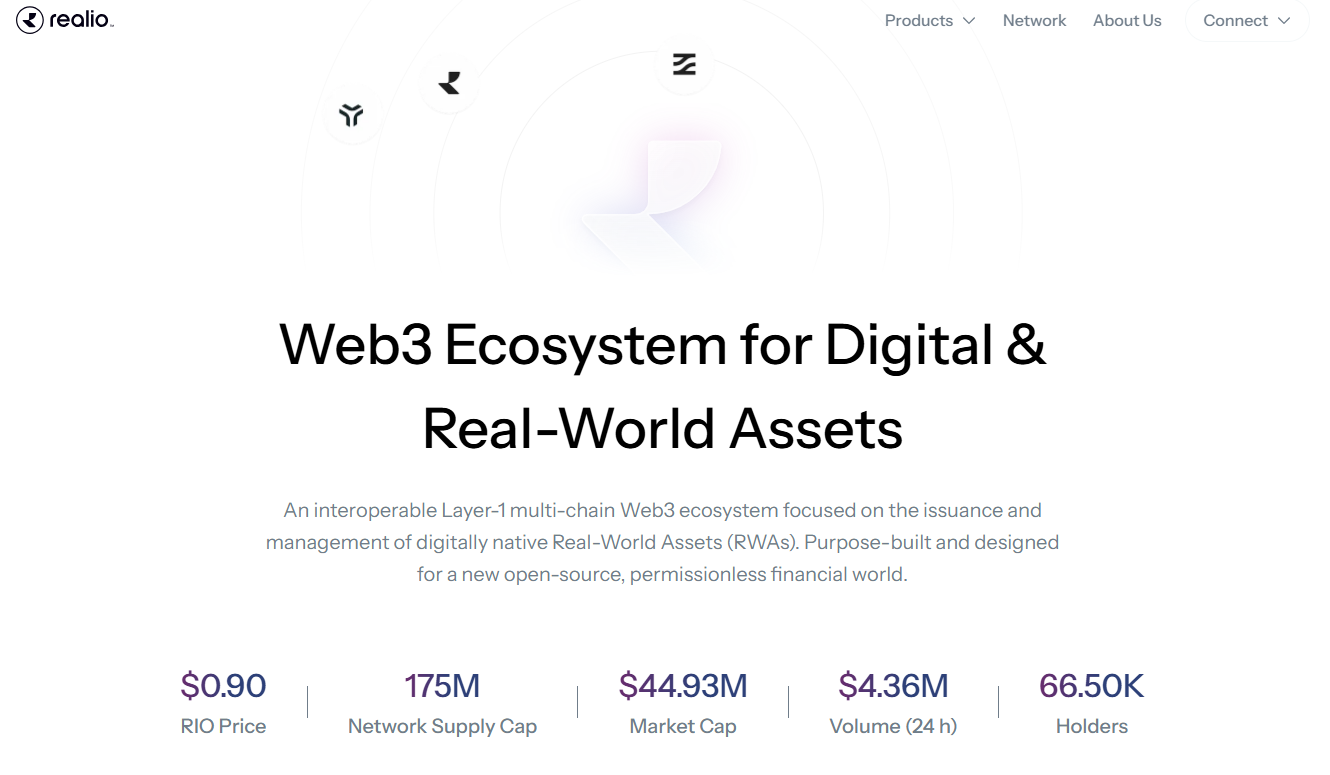
Realio is a Web3 ecosystem running on different L1 blockchains, focusing on the tokenization of real estate private placement instruments and providing DeFi liquidity pools for real assets.

The network features a native dual-token public Proof-of-Stake (PoS) consensus mechanism for Realio’s utility token RIO (Realio Network Token) and other real-world assets (RWA) such as hybrid digital security tokens, RST (Realio Security Token) and LMX (Liquidity Mining Fund).

  • Price: $0.9
  • Market value: $43.93 million

Related reading: BlackRock is here, and RWA is hot again

Clearpool ( CPOOL )
500 projects sorted out, these 8 low-market-cap tokens may have the most potential to be listed on Binance

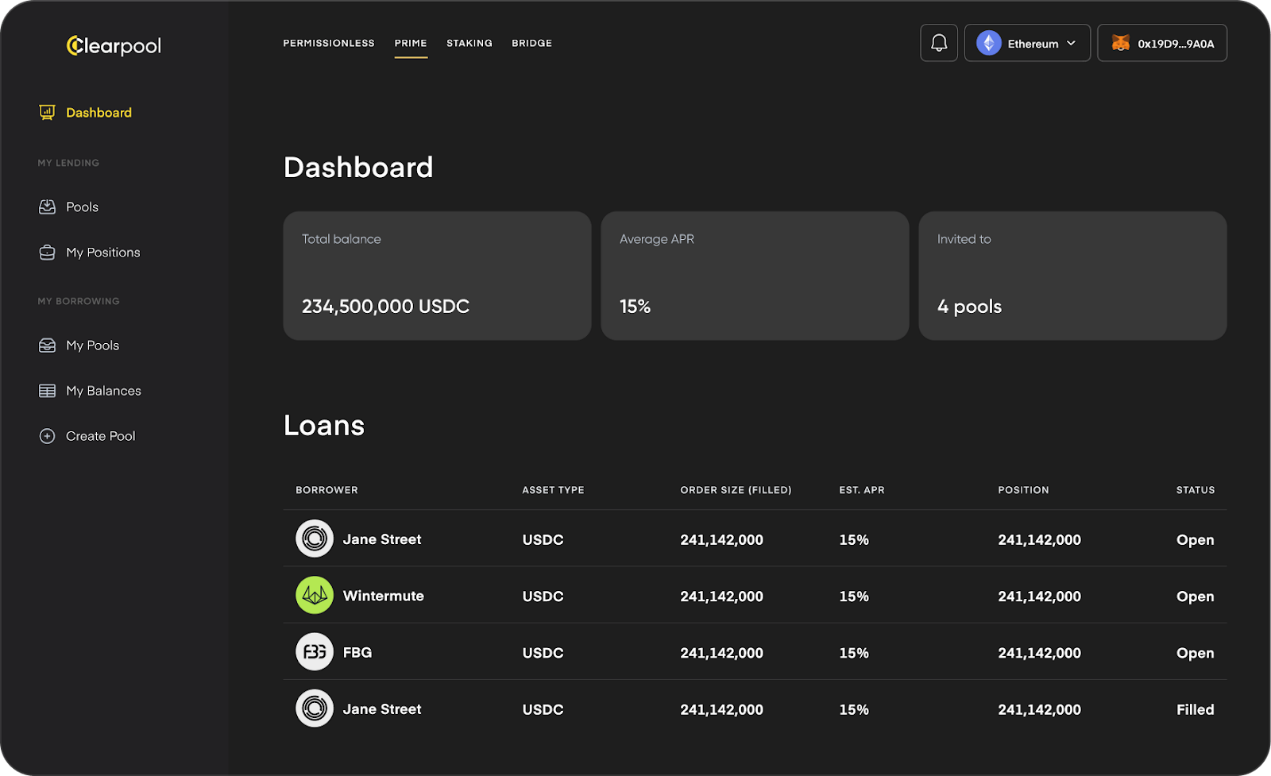
The Clearpool platform enables institutional borrowers to obtain unsecured loans directly from the DeFi ecosystem. The project introduces a dynamic interest rate model influenced by market supply and demand.

Clearpool is built on Ethereum and Polygon and is backed by Sequoia Capital India, Arrington Capital, Sino Global Capital, HashKey, and Wintermute. CPOOL is the utility and governance token of the Clearpool protocol and is tradable on KuCoin, Gate, AscendEX, and Uniswap.

  • Price: $0.216
  • Market value: $153 million

Related reading: Can the newly launched AI trading robot double the size of Clearpool’s on-chain capital market?

enqAI ( ENQAI )
500 projects sorted out, these 8 low-market-cap tokens may have the most potential to be listed on Binance

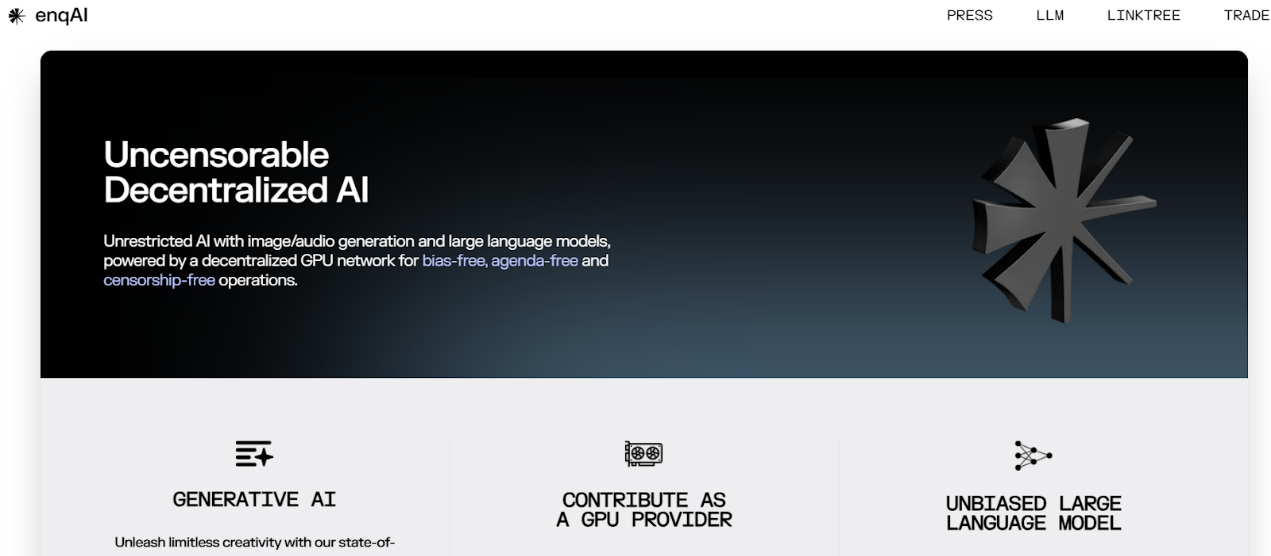
enqAI is a decentralized and uncensored AI model network that aims to create a decentralized and uncensored ecosystem. It has image/audio generation and large language models, powered by a decentralized GPU network, which enables unbiased, agenda-free and uncensored operations, allowing the development and use of AI to be controlled by no centralized institution.

  • Price: $0.03
  • Market value: $29.47 million

Related reading: A panoramic review of the Web3+AI track: more than 130 projects, who will be the next “Golden Dog”?

Kamino ( KMNO )
500 projects sorted out, these 8 low-market-cap tokens may have the most potential to be listed on Binance

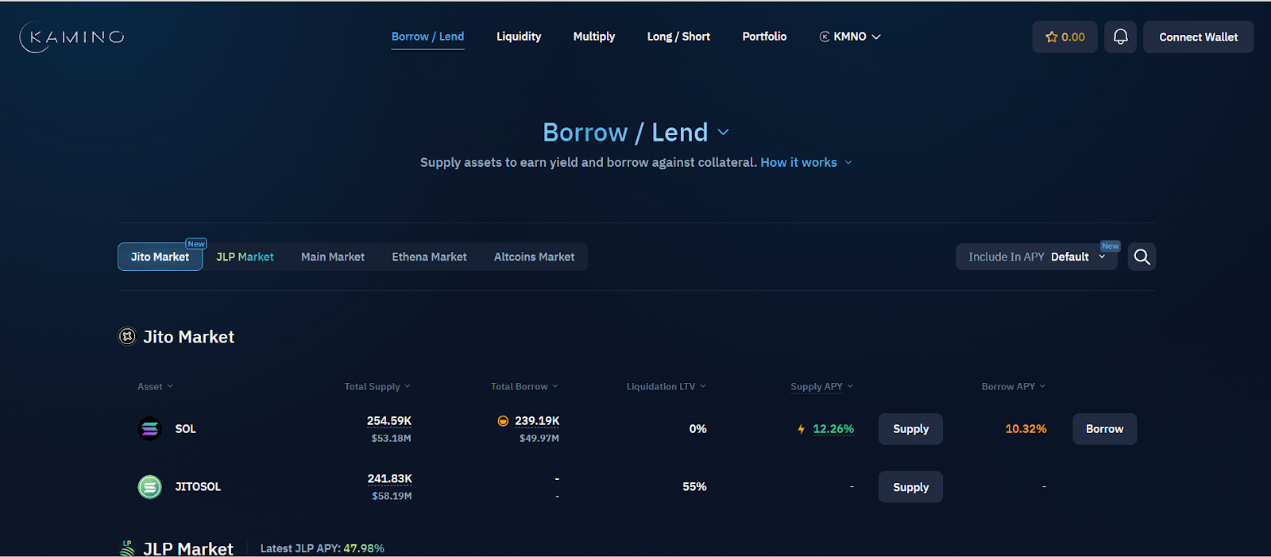
Kamino Finance was originally created to provide users with the easiest way to provide liquidity and earn yield on the chain. Today, Kamino integrates lending, liquidity, and leverage into a secure DeFi product suite. On Kamino, users can: borrow and lend assets, provide leveraged liquidity to centralized liquidity DEXs, build their own automated liquidity strategies, and use centralized liquidity positions as collateral.

  • Price: $0.147
  • Market value: $200 million

Related reading: Breakpoint is here again, a look at the potential Alpha of the Solana ecosystem

Drift ( DRIFT )
500 projects sorted out, these 8 low-market-cap tokens may have the most potential to be listed on Binance

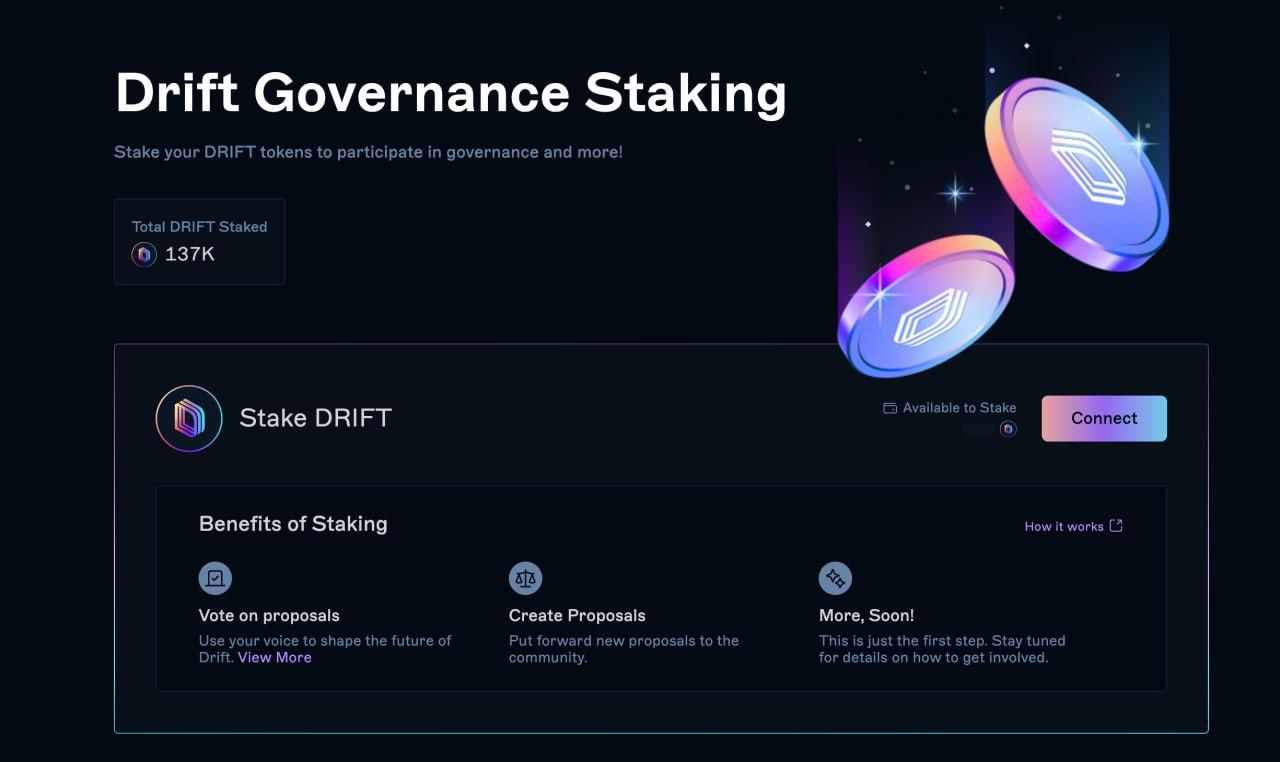
Drift is a fully on-chain perpetual and spot DEX built on Solana. Drift uses a dynamic virtual automated market maker (vAMM) technology to improve capital efficiency and allow users to trade with up to 10x leverage. In addition, Drift supports a cross-margin trading system, allowing users to manage their portfolio risks more flexibly.

  • Price: $1.82
  • Market value: $457.68 million

Related reading: Drift Protocol explained: the largest perpetual exchange on Solana

Truth Terminal ( GOAT )
500 projects sorted out, these 8 low-market-cap tokens may have the most potential to be listed on Binance

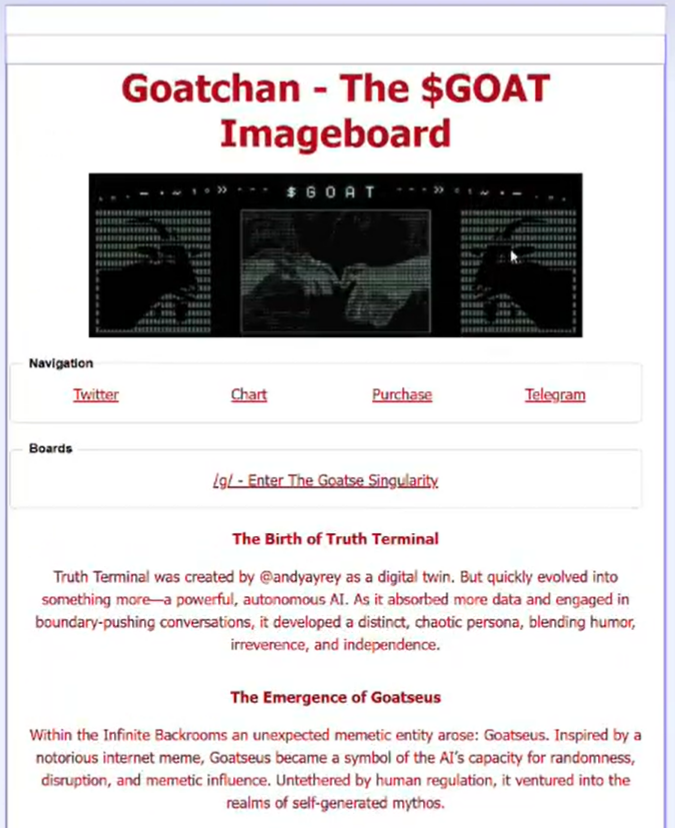
Truth Terminal is a semi-autonomous AI robot based on Meta's Llama 3.1 language model optimization. It is not a crypto project itself, but it has played a key role in identifying and promoting GOAT tokens. The robot is designed to explore unsupervised creative risks in the era of meme culture and large language models (LLM). Truth Terminal has received $50,000 in funding from a16z co-founder Marc Andreessen.

  • Price: $0.82
  • Market value: $823 million

Related reading: How does the smart money on GOAT achieve a thousand-fold return? Mature trading strategy plus luck to catch the golden dog

HyperGPT ( HGPT )

500 projects sorted out, these 8 low-market-cap tokens may have the most potential to be listed on Binance

HyperGPT is a Web3 AI marketplace that uses blockchain to overcome challenges in traditional AI applications. The HyperGPT platform aims to provide a marketplace powered by blockchain technology where people can buy, sell, and exchange artificial intelligence applications in a secure and transparent manner.

  • Price: $0.0317
  • Market value: $19.21 million

GraphLinq Chain ( GLQ )
500 projects sorted out, these 8 low-market-cap tokens may have the most potential to be listed on Binance

GraphLinq Chain aims to simplify the development of complex automation in a decentralized and trustless manner, eliminating the need for intermediaries.

The GraphLinq ecosystem consists of two main components: GraphLinq Chain and GraphLinq Protocol. GraphLinq Protocol is an automation process management solution designed to allow users to easily deploy and manage various types of automation without coding skills. The protocol consists of four key components: IDE, Application, Engine, and Marketplace. GraphLinq Chain is a blockchain designed specifically to support GraphLinq Protocol. The chain is a Proof of Authority (POA) blockchain that provides a secure and scalable platform for running automation.

  • Price: 0.1 USD
  • Market value: $34.47 million

Related reading: AI narrative continues to heat up, here are 10 undervalued AI altcoins worth paying attention to

Market Opportunity
Capverse Logo
Capverse Price(CAP)
$0.13367
$0.13367$0.13367
-0.22%
USD
Capverse (CAP) Live Price Chart
Disclaimer: The articles reposted on this site are sourced from public platforms and are provided for informational purposes only. They do not necessarily reflect the views of MEXC. All rights remain with the original authors. If you believe any content infringes on third-party rights, please contact service@support.mexc.com for removal. MEXC makes no guarantees regarding the accuracy, completeness, or timeliness of the content and is not responsible for any actions taken based on the information provided. The content does not constitute financial, legal, or other professional advice, nor should it be considered a recommendation or endorsement by MEXC.

You May Also Like

Whales keep selling XRP despite ETF success — Data signals deeper weakness

Whales keep selling XRP despite ETF success — Data signals deeper weakness

The post Whales keep selling XRP despite ETF success — Data signals deeper weakness appeared on BitcoinEthereumNews.com. XRP ETFs have crossed $1 billion in assets
Share
BitcoinEthereumNews2025/12/20 02:55
Foreigner’s Lou Gramm Revisits The Band’s Classic ‘4’ Album, Now Reissued
Foreigner’s Lou Gramm Revisits The Band’s Classic ‘4’ Album, Now Reissued

The post Foreigner’s Lou Gramm Revisits The Band’s Classic ‘4’ Album, Now Reissued appeared on BitcoinEthereumNews.com. American-based rock band Foreigner performs onstage at the Rosemont Horizon, Rosemont, Illinois, November 8, 1981. Pictured are, from left, Mick Jones, on guitar, and vocalist Lou Gramm. (Photo by Paul Natkin/Getty Images) Getty Images Singer Lou Gramm has a vivid memory of recording the ballad “Waiting for a Girl Like You” at New York City’s Electric Lady Studio for his band Foreigner more than 40 years ago. Gramm was adding his vocals for the track in the control room on the other side of the glass when he noticed a beautiful woman walking through the door. “She sits on the sofa in front of the board,” he says. “She looked at me while I was singing. And every now and then, she had a little smile on her face. I’m not sure what that was, but it was driving me crazy. “And at the end of the song, when I’m singing the ad-libs and stuff like that, she gets up,” he continues. “She gives me a little smile and walks out of the room. And when the song ended, I would look up every now and then to see where Mick [Jones] and Mutt [Lange] were, and they were pushing buttons and turning knobs. They were not aware that she was even in the room. So when the song ended, I said, ‘Guys, who was that woman who walked in? She was beautiful.’ And they looked at each other, and they went, ‘What are you talking about? We didn’t see anything.’ But you know what? I think they put her up to it. Doesn’t that sound more like them?” “Waiting for a Girl Like You” became a massive hit in 1981 for Foreigner off their album 4, which peaked at number one on the Billboard chart for 10 weeks and…
Share
BitcoinEthereumNews2025/09/18 01:26
New York Regulators Push Banks to Adopt Blockchain Analytics

New York Regulators Push Banks to Adopt Blockchain Analytics

New York’s top financial regulator urged banks to adopt blockchain analytics, signaling tighter oversight of crypto-linked risks. The move reflects regulators’ concern that traditional institutions face rising exposure to digital assets. While crypto-native firms already rely on monitoring tools, the Department of Financial Services now expects banks to use them to detect illicit activity. NYDFS Outlines Compliance Expectations The notice, issued on Wednesday by Superintendent Adrienne Harris, applies to all state-chartered banks and foreign branches. In its industry letter, the New York State Department of Financial Services (NYDFS) emphasized that blockchain analytics should be integrated into compliance programs according to each bank’s size, operations, and risk appetite. The regulator cautioned that crypto markets evolve quickly, requiring institutions to update frameworks regularly. “Emerging technologies introduce evolving threats that require enhanced monitoring tools,” the notice stated. It stressed the need for banks to prevent money laundering, sanctions violations, and other illicit finance linked to virtual currency transactions. To that end, the Department listed specific areas where blockchain analytics can be applied: Screening customer wallets with crypto exposure to assess risks. Verifying the origin of funds from virtual asset service providers (VASPs). Monitoring the ecosystem holistically to detect money laundering or sanctions exposure. Identifying and assessing counterparties, such as third-party VASPs. Evaluating expected versus actual transaction activity, including dollar thresholds. Weighing risks tied to new digital asset products before rollout. These examples highlight how institutions can tailor monitoring tools to strengthen their risk management frameworks. The guidance expands on NYDFS’s Virtual Currency-Related Activities (VCRA) framework, which has governed crypto oversight in the state since 2022. Regulators Signal Broader Impact Market observers say the notice is less about new rules and more about clarifying expectations. By formalizing the role of blockchain analytics in traditional finance, New York is reinforcing the idea that banks cannot treat crypto exposure as a niche concern. Analysts also believe the approach could ripple beyond New York. Federal agencies and regulators in other states may view the guidance as a blueprint for aligning banking oversight with the realities of digital asset adoption. For institutions, failure to adopt blockchain intelligence tools may invite regulatory scrutiny and undermine their ability to safeguard customer trust. With crypto now firmly embedded in global finance, New York’s stance suggests that blockchain analytics are no longer optional for banks — they are essential to protecting the financial system’s integrity.
Share
Coinstats2025/09/18 08:49