The Nigerian Communications Commission (NCC) has announced that the ongoing epileptic network service in Abuja, which is majorly…The Nigerian Communications Commission (NCC) has announced that the ongoing epileptic network service in Abuja, which is majorly…

NCC: Ongoing network issues in Abuja caused by fuel supply hitch to telecoms towers

The Nigerian Communications Commission (NCC) has announced that the ongoing epileptic network service in Abuja, which is majorly affecting MTN and Airtel subscribers is caused by fuel supply problems. This is contained in a press statement issued on Friday and signed by Mrs. Nnenna Ukoha, NCC’s Head of Public Affairs.

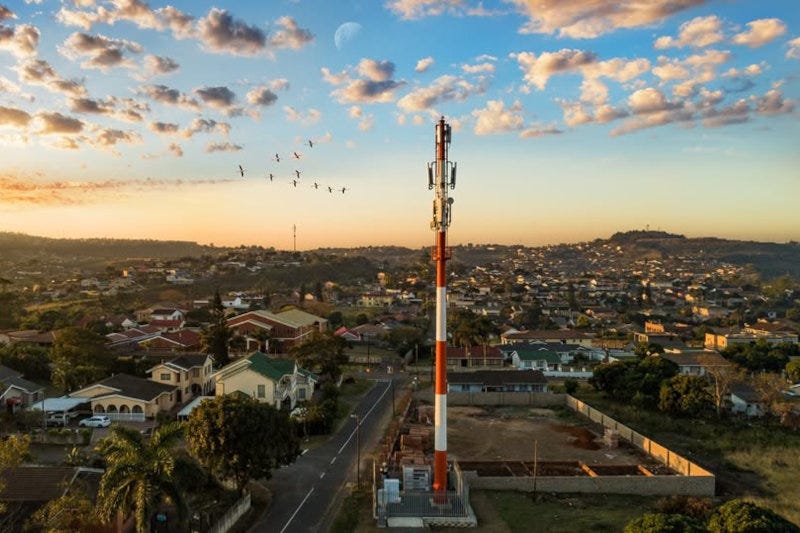
According to the communications regulator, the Quality of Service (QoS) challenge is primarily caused by a disruption in diesel supply affecting activities of IHS Nigeria Limited, the telecom infrastructure provider that manages MTN and Airtel’s base stations.

Further explanation shows that the disruption was fueled by an unexplained activity by the National Oil and Gas Suppliers Association (NOGASA), which interrupted diesel supply to telecoms towers. The issue has since made subscribers in Abuja experience a drop in network quality, preventing the smooth running of essential services on the mobile network lines.

NCC reviews short code services as broadband penetration in Nigeria hit 44.5% in July

In its move to address the situation, the regulation noted that there are ongoing efforts to engage with oil suppliers and other relevant stakeholders to restore normalcy in the states’ network service.

“The NCC is actively engaging with relevant stakeholders to address the diesel supply issues and explore sustainable solutions. The Commission urges all parties to work together to collaboratively resolve these challenges swiftly by removing the diesel supply bottlenecks affecting critical telecommunications infrastructure, arising from NOGASA’s actions,” part of the statement reads.

NCC reiterated its commitment to safeguarding the internet of Nigerians in terms of enjoying a reliable network service, often affected by vandalism and cut in diesel supply. It added that the ongoing issues in Abuja will be resolved soon, and the public will be abreast of the progress made to restore quality service in Abuja.

“In the face of these challenges, we reiterate our commitment to fostering a conducive environment for the growth and sustainability of telecommunications services in Nigeria,” it said.

The recent disconnection between oil suppliers and IHS Towers has posed a direct implication to millions of Nigerians and the stability of the digital economy. It comes at a time when quality service is increasingly proving vital to daily business activities for subscribers.

NCC orders MTN, Airtel, others to inform users about major network outages

Also Read: NCC among top 5 best-performing government agencies in 2025.

NCC and issues with oil suppliers

In addition to telecoms infrastructure vandalism and fibre cuts that have majorly affected the industry in 2025, the hitch in diesel supply by NOGASA to telecoms tower managers is another leading cause.

While telecoms towers remain a critical national information infrastructure, threats and strike actions by oil suppliers have negatively impacted connectivity for Nigerians, the economy and undermines national security.

In August, there was an oil supply blockage, owing to industrial action, which threatened to disrupt Nigeria’s data and voice service. Interventions by the NCC and Office of the National Security Adviser (ONSA), under the leadership of the National Security Adviser (NSA), Mallam Nuhu Ribadu, restored order.
Telecom Tower

Aside from a drop in quality network service, disruption in oil supply to base stations also undermines Nigeria’s broadband expansion targets and digital inclusion goals, especially in rural areas.

Market Opportunity
Fuel Logo
Fuel Price(FUEL)
$0,00166
$0,00166$0,00166
0,00%
USD
Fuel (FUEL) Live Price Chart
Disclaimer: The articles reposted on this site are sourced from public platforms and are provided for informational purposes only. They do not necessarily reflect the views of MEXC. All rights remain with the original authors. If you believe any content infringes on third-party rights, please contact service@support.mexc.com for removal. MEXC makes no guarantees regarding the accuracy, completeness, or timeliness of the content and is not responsible for any actions taken based on the information provided. The content does not constitute financial, legal, or other professional advice, nor should it be considered a recommendation or endorsement by MEXC.

You May Also Like

Trust Wallet’s Decisive Move: Full Compensation for $7M Hack Victims

Trust Wallet’s Decisive Move: Full Compensation for $7M Hack Victims

BitcoinWorld Trust Wallet’s Decisive Move: Full Compensation for $7M Hack Victims In a significant move for cryptocurrency security, Trust Wallet has committed
Share
bitcoinworld2025/12/26 17:40
Cashing In On University Patents Means Giving Up On Our Innovation Future

Cashing In On University Patents Means Giving Up On Our Innovation Future

The post Cashing In On University Patents Means Giving Up On Our Innovation Future appeared on BitcoinEthereumNews.com. “It’s a raid on American innovation that would deliver pennies to the Treasury while kneecapping the very engine of our economic and medical progress,” writes Pipes. Getty Images Washington is addicted to taxing success. Now, Commerce Secretary Howard Lutnick is floating a plan to skim half the patent earnings from inventions developed at universities with federal funding. It’s being sold as a way to shore up programs like Social Security. In reality, it’s a raid on American innovation that would deliver pennies to the Treasury while kneecapping the very engine of our economic and medical progress. Yes, taxpayer dollars support early-stage research. But the real payoff comes later—in the jobs created, cures discovered, and industries launched when universities and private industry turn those discoveries into real products. By comparison, the sums at stake in patent licensing are trivial. Universities collectively earn only about $3.6 billion annually in patent income—less than the federal government spends on Social Security in a single day. Even confiscating half would barely register against a $6 trillion federal budget. And yet the damage from such a policy would be anything but trivial. The true return on taxpayer investment isn’t in licensing checks sent to Washington, but in the downstream economic activity that federally supported research unleashes. Thanks to the bipartisan Bayh-Dole Act of 1980, universities and private industry have powerful incentives to translate early-stage discoveries into real-world products. Before Bayh-Dole, the government hoarded patents from federally funded research, and fewer than 5% were ever licensed. Once universities could own and license their own inventions, innovation exploded. The result has been one of the best returns on investment in government history. Since 1996, university research has added nearly $2 trillion to U.S. industrial output, supported 6.5 million jobs, and launched more than 19,000 startups. Those companies pay…
Share
BitcoinEthereumNews2025/09/18 03:26
Trust Wallet Hack Hits $7M: CZ Hints at Possible Insider Role

Trust Wallet Hack Hits $7M: CZ Hints at Possible Insider Role

CZ hinted at possible insider involvement in the Trust Wallet incident while assuring users that their funds would be reimbursed.
Share
CryptoPotato2025/12/26 16:48