What People Often Misunderstand About Dogecoin (DOGE)
Key takeaways
- Dogecoin runs on real, open-source client software; it’s not “just a meme.”
- DOGE has no max cap, but it has a fixed annual issuance of 5 billion DOGE, so inflation is predictable and declines over time.
- “Elon Musk controls DOGE” confuses attention influence with protocol control (which requires network consensus).
- Dogecoin’s security model is often misunderstood: it enabled AuxPoW merged mining with Litecoin to strengthen security.
- As of December 2025, DOGE also appears in the “traditional finance” conversation via ETF filings and crypto index ETF products, but filings ≠ approvals.
Misunderstanding #1: “Dogecoin is just a joke—there’s no real tech behind it.”
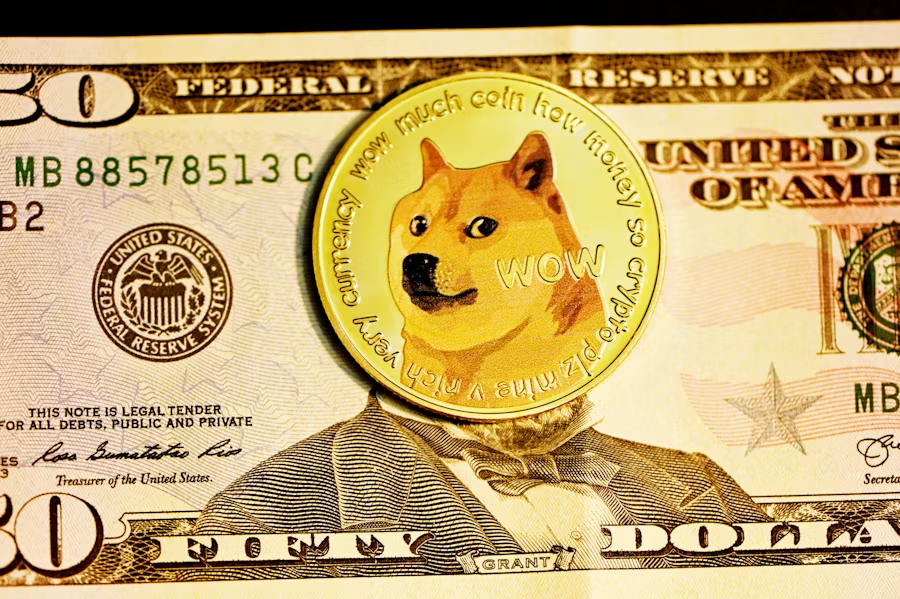
Misunderstanding #2: “Unlimited supply means DOGE must go to zero.”
Misunderstanding #3: “Elon Musk controls Dogecoin.”
- Narrative power can affect sentiment and short-term volatility
- Protocol power changes slowly, requires consensus, and is visible in code + network behavior
Misunderstanding #4: “Dogecoin is insecure / easy to attack.”
Misunderstanding #5: “Dogecoin will never be taken seriously in traditional finance.”
- Overstatement A: “DOGE is a joke forever, institutions will never touch it.”
- Overstatement B: “ETF talk means DOGE is guaranteed to moon.”
How to use this as a trader or holder (without overcomplicating it)
If you plan to buy/trade DOGE
If you plan to hold DOGE
Final note (exchange Learn perspective)
Popular Articles

How On-Chain Liquidity Trends Are Reshaping Market Dynamics?
1.What Is Liquidity in Crypto Markets?Liquidity movements provide a clearer and more reliable picture of market strength than price alone. Prices can rise in thin market conditions,driven by short bur
Why Dogecoin(DOGE) Feels Easy to Buy — and Why That Can Be Misleading
Dogecoin (DOGE) has a unique vibe in crypto: it often feels less intimidating than other coins. The meme is familiar. The community is loud. The price per coin looks “cheap.” And the whole thing can f

What is Perceptron Network($PERC)? A Complete Guide to AI Incentives and Decentralized Data Pipelines
Key TakeawaysPerceptron Network is positioned as an agent-managed incentive framework, where AI agents can mint and distribute PERCs (composable mini-NFTs) to reward useful community behavior. The pro

Safeguarding Industry Growth Amid Crypto Compliance Trends
As cryptocurrencies become increasingly integrated into the traditional financial system, major digital assets are evolving beyond investment vehicles into important tools for payment and settlement.
Hot Crypto Updates
What Is Futu Holdings Ltd. (FUTU)?
If you’re researching Futu Holdings Ltd. stock (FUTU), you’re researching a tech-driven brokerage and wealth management platform that serves investors through digital products, most notably moomoo and
What Is Meta Platforms (META)?
If you’re researching Meta Platforms stock (META), you’re looking at one of the most important US stocks in social media and digital advertising. Meta owns platforms used by billions of people globall

MEXC vs Binance 2026: Comprehensive Comparison Guide for Crypto Traders
Meta Description MEXC vs Binance 2026 in-depth comparison: Analyzing trading fees, coin listings, security, and user experience to help you choose the best cryptocurrency exchange for your trading nee
How to Purchase Dogecoin in Japan: A Complete Guide
Purchasing Dogecoin (DOGE) in Japan is straightforward when you use a regulated, user-friendly platform like MEXC and follow proper identity and funding procedures; this guide explains each step—from
Trending News

Gold continues to hit new highs. How to invest in gold in the crypto market?
As Bitcoin encounters a "value winter", real-world gold is recasting the iron curtain of value on the blockchain.
XRP Whales Offload 200 Million XRP as Market Pauses Near $3
On-chain analyst Ali Martinez says whales offloaded ~200 million XRP in two weeks. Traders are parsing the transfers as XRP holds near $3.

MicroStrategy Bitcoin Strategy Faces Dilution Risks Amid Stock Decline, MSCI Review
The post MicroStrategy Bitcoin Strategy Faces Dilution Risks Amid Stock Decline, MSCI Review appeared on BitcoinEthereumNews.com. MicroStrategy stock dilution arises

Metaplanet raises $1.4B to fuel BTC purchases and U.S. subsidiary launch
Metaplanet Inc. has formalized the subsidiary in Miami, Florida, naming it Metaplanet Income Corp.
Related Articles
What is Perceptron Network($PERC)? A Complete Guide to AI Incentives and Decentralized Data Pipelines
Key TakeawaysPerceptron Network is positioned as an agent-managed incentive framework, where AI agents can mint and distribute PERCs (composable mini-NFTs) to reward useful community behavior. The pro
Dogecoin ETF: What We Know So Far and Whether It Could Happen
Key Takeaways:REX-Osprey Dogecoin ETF (DOJE) launched in September 2025 as the first U.S. product offering DOGE exposure via a mix of holdings and derivatives.Grayscale Dogecoin Trust ETF (GDOG) debut
Elon Musk and Dogecoin: How Much Influence Does He Still Have?
Key Takeaways:Musk’s Pivotal Role: Elon Musk’s influence on Dogecoin’s rise is profound, shaping the cryptocurrency’s trajectory through public endorsements and tweets.Price Influence: Musk’s tweets h

What is Dogecoin? Origins, Mechanism, Meme Culture, and Relevance
In crypto and blockchain, while much online discussion and investment debate center around technical articles, project-specific white papers, roadmaps, and complex language, Dogecoin stands out among