

Japan’s Crypto Tax Implementation: A Critical Delay to 2028 for Investor Protection
BitcoinWorld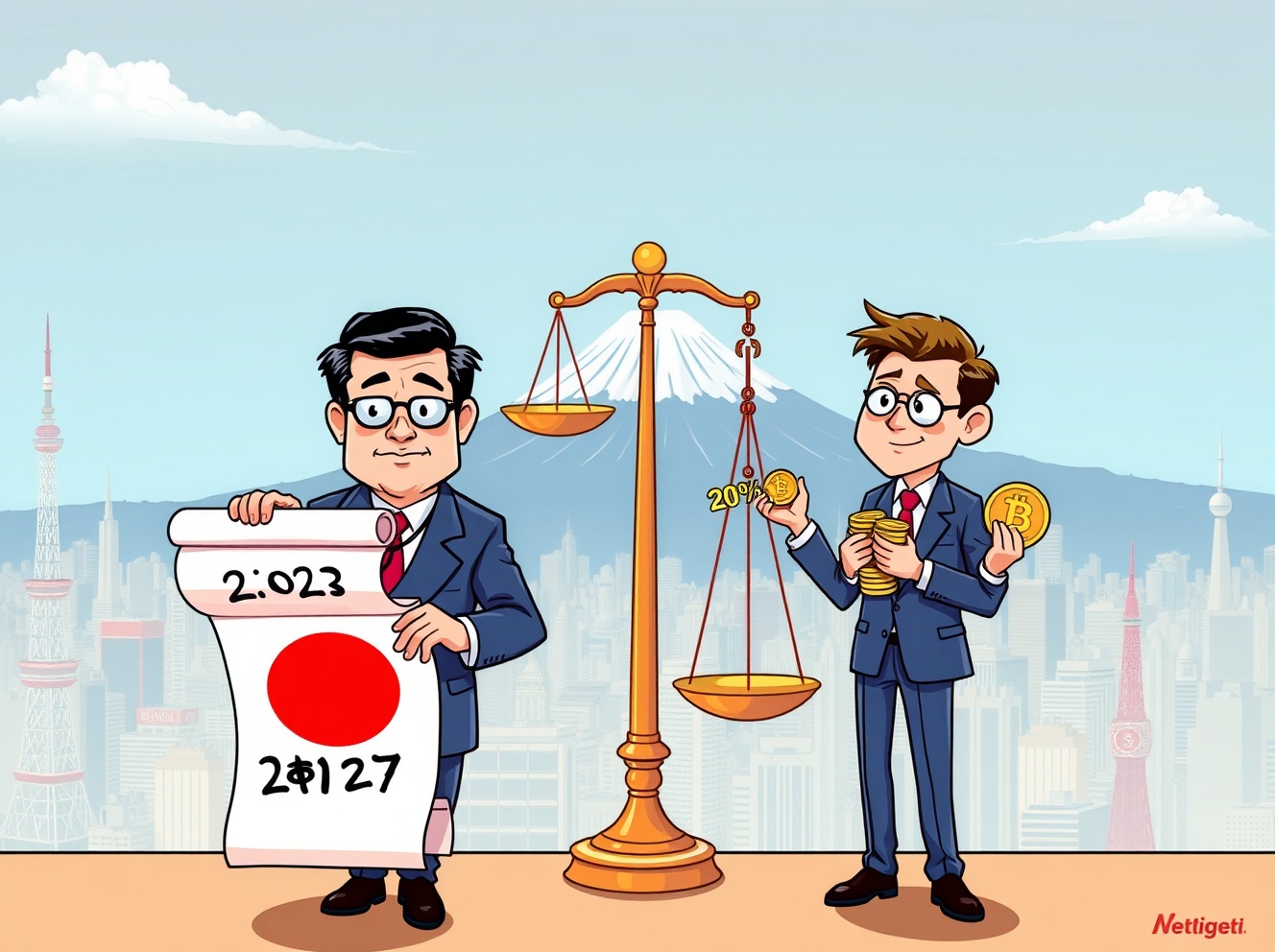
Japan’s Crypto Tax Implementation: A Critical Delay to 2028 for Investor Protection
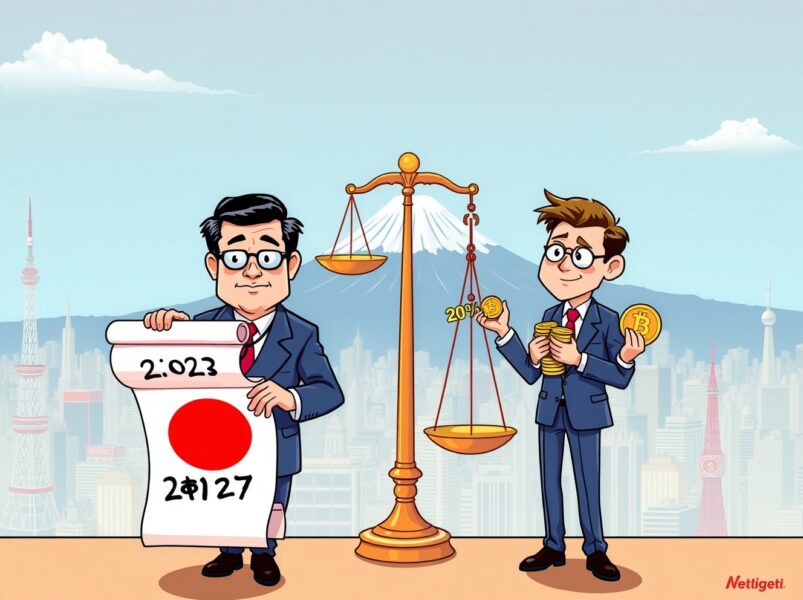
In a significant move for the digital asset space, Japan is reportedly considering a major delay to its crypto tax implementation. The proposed separate taxation framework for cryptocurrency gains, once eyed for 2027, may now be pushed to 2028. This potential shift highlights the government’s cautious approach and the ongoing debate over fair taxation for a rapidly evolving market.
Why is Japan Delaying Its Crypto Tax Implementation?
The primary reason for the delay, as reported by Reuters, centers on investor protection. Japanese authorities believe the current safeguards for cryptocurrency investors are not yet robust enough to support a new, separate tax regime. Therefore, the government aims to observe market conditions and strengthen regulatory frameworks before finalizing the rules. This decision reflects a mature, patient strategy rather than a rushed policy change.
The Current Tax Burden on Crypto Investors in Japan
Understanding the delay requires a look at the present system, which many consider punitive. Currently, profits from cryptocurrency trading in Japan are classified as “miscellaneous income.” This classification leads to a significantly higher tax rate when combined with an individual’s other earnings.
- Tax rates can soar to a staggering 55% for top earners.
- This contrasts sharply with the flat 20% tax rate applied to capital gains from traditional stock investments.
- The disparity has been a major point of contention, discouraging domestic investment and innovation in the crypto sector.
What Does the New Crypto Tax Implementation Promise?
The proposed reform seeks to create a separate category for cryptocurrency capital gains, aligning it with the taxation of stocks. The industry’s central demand is a flat 20% tax rate. Implementing this change would achieve several key goals:
- Fairness: Create tax parity between crypto assets and other financial instruments.
- Clarity: Provide clear, dedicated rules for crypto taxation, reducing compliance complexity.
- Growth: Encourage domestic participation and position Japan as a more competitive hub for digital asset businesses.
However, the path to this new crypto tax implementation is tied to the amendment of the Financial Instruments and Exchange Act, which must pass the Diet (Japan’s parliament).
The Road Ahead: From 2027 to 2028
Initial discussions pointed towards a 2027 launch if the necessary legislation passed next year. The emerging consensus to delay until 2028 suggests a more methodical timeline. This extra year would allow regulators to:
- Monitor global regulatory trends and market developments.
- Design and implement enhanced investor protection measures.
- Ensure the technical and administrative infrastructure is ready for a smooth rollout.
While the delay may test the patience of investors and businesses advocating for change, it underscores a commitment to getting the crypto tax implementation right.
Conclusion: A Delay for a Stronger Foundation
Japan’s potential decision to postpone its separate crypto tax implementation to 2028 is a strategic pause, not a cancellation. It prioritizes building a secure and fair regulatory environment over speed. For the global crypto community, Japan’s careful, principle-based approach offers a model of how major economies can thoughtfully integrate digital assets. The eventual reform, when it arrives, could significantly boost Japan’s standing in the fintech world.
Frequently Asked Questions (FAQs)
Q1: What is the current tax rate on crypto profits in Japan?
A1: Currently, crypto gains are taxed as miscellaneous income at a progressive rate that can reach up to 55% for high earners.
Q2: What is the proposed new tax rate?
A2: The industry is advocating for a separate, flat tax rate of 20%, which would match the tax rate on stock market gains.
Q3: Why is the government delaying the new crypto tax implementation?
A3: The main reason is to allow more time to develop adequate investor protection measures and observe market conditions before enacting major tax changes.
Q4: Has the new tax law been passed?
A4: No. The change depends on an amendment to the Financial Instruments and Exchange Act, which must be debated and passed by Japan’s parliament, the Diet.
Q5: How will this delay affect crypto investors in Japan?
A5: In the short term, investors will continue under the current high-tax system. The delay signals that a fairer system is being carefully planned for the future.
Q6: Is Japan still supportive of cryptocurrency innovation?
A6: Yes. This deliberate approach suggests Japan wants to foster a sustainable and secure crypto ecosystem, not hinder it with poorly designed regulations.
Found this analysis of Japan’s crypto tax implementation plans insightful? Help others stay informed by sharing this article on your social media channels. Your share can spark important conversations about the future of digital asset regulation!
To learn more about the latest global cryptocurrency regulatory trends, explore our article on key developments shaping crypto policy and institutional adoption.
This post Japan’s Crypto Tax Implementation: A Critical Delay to 2028 for Investor Protection first appeared on BitcoinWorld.
You May Also Like

Moto completes $1.8 million pre-seed funding round for its Solana eco-credit card project.

Pi Coin Price Forecast Stalls & MYX Finance Analysis Fades – Here’s Why BlockDAG is the Best Crypto Right Now
