CLARITY Act: US Senate Banking Committee Begins Historic Markup of Transformative Crypto Bill
BitcoinWorld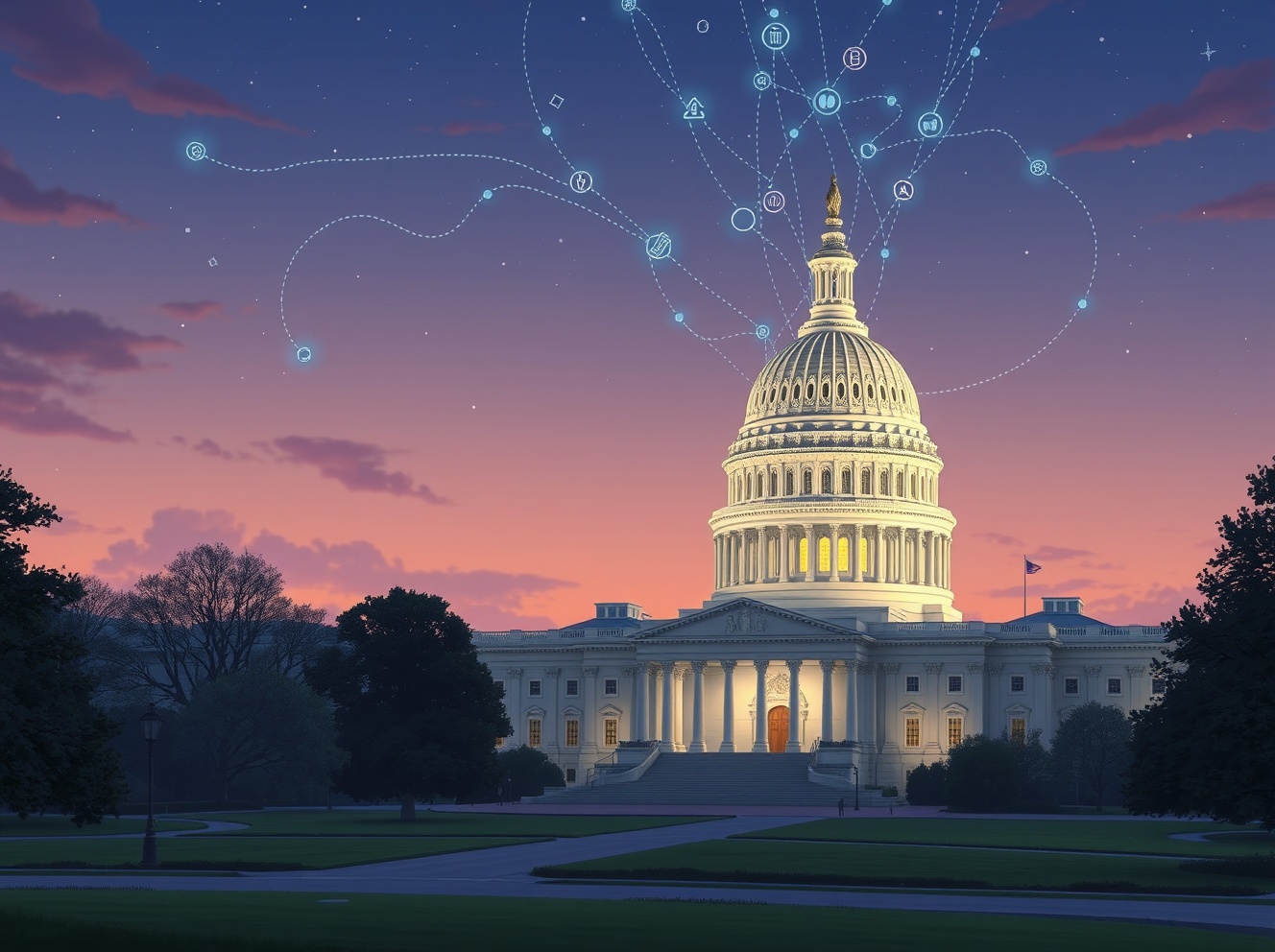
CLARITY Act: US Senate Banking Committee Begins Historic Markup of Transformative Crypto Bill
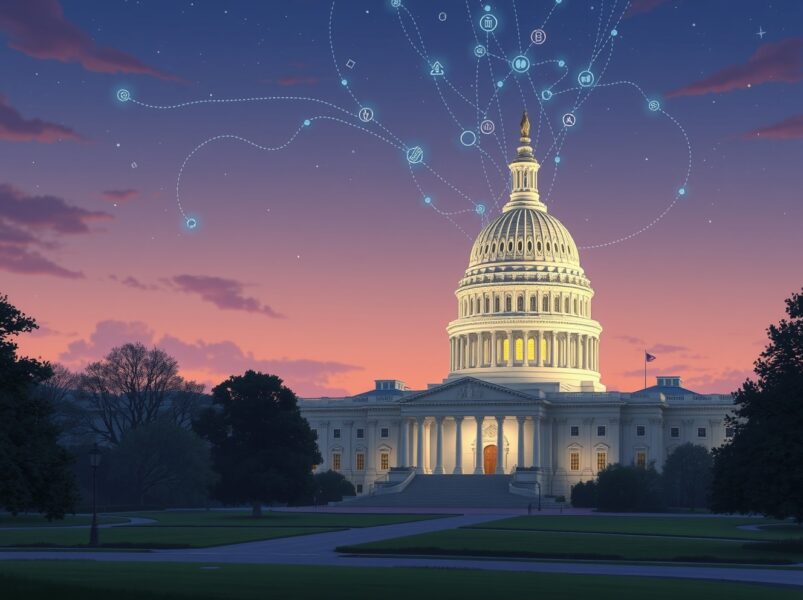
WASHINGTON, D.C., March 2025 – The U.S. Senate Banking Committee has initiated a crucial markup session for the landmark CLARITY Act, signaling a pivotal moment for cryptocurrency regulation in America. This legislative process represents the most significant congressional effort to date to establish comprehensive rules for digital asset markets. Consequently, industry participants and regulators alike are watching these proceedings closely.
CLARITY Act Enters Critical Legislative Phase
The Senate Banking Committee formally began its markup of the Crypto-Asset Market Structure and Investor Protection Act, commonly called the CLARITY Act. This procedural step allows committee members to debate, amend, and ultimately vote on the proposed legislation. Moreover, the markup session follows months of hearings, stakeholder consultations, and bipartisan negotiations. The committee chair, Senator Sherrod Brown, opened the session by emphasizing the need for clear regulatory frameworks. He stated that digital assets represent both innovation and risk, requiring balanced oversight.
Committee members from both parties participated actively in the initial discussions. For instance, Senator Pat Toomey highlighted the bill’s potential to foster innovation while protecting consumers. Conversely, Senator Elizabeth Warren expressed concerns about certain provisions she believes might create regulatory loopholes. The markup process typically involves multiple sessions, allowing for detailed examination of each section. Therefore, observers expect this to continue for several weeks before a committee vote.
Understanding the CLARITY Act’s Core Provisions
The CLARITY Act proposes a comprehensive regulatory framework for digital assets in the United States. Its primary objectives include defining jurisdictional boundaries between regulatory agencies. Specifically, the bill seeks to clarify when a digital asset constitutes a security versus a commodity. This distinction determines whether the SEC or CFTC holds primary oversight authority.
Key Regulatory Classifications and Responsibilities
| Agency | Primary Jurisdiction | Key Responsibilities Under CLARITY |
|---|---|---|
| Securities and Exchange Commission (SEC) | Digital assets meeting the Howey Test as investment contracts | Registration, disclosure, and trading oversight for security tokens |
| Commodity Futures Trading Commission (CFTC) | Digital commodities like Bitcoin and Ethereum | Spot market surveillance, anti-fraud enforcement for commodity tokens |
| Financial Crimes Enforcement Network (FinCEN) | All digital asset transactions | Anti-money laundering compliance and suspicious activity reporting |
The legislation also establishes new requirements for cryptocurrency exchanges and trading platforms. These entities must implement robust consumer protection measures. Additionally, they need to maintain adequate capital reserves and cybersecurity protocols. The bill introduces specific rules for stablecoin issuers too. These rules mandate one-to-one reserve backing and regular attestation reports. Furthermore, the CLARITY Act addresses decentralized finance protocols for the first time in federal legislation.
Historical Context and Legislative Journey
The CLARITY Act represents the culmination of nearly a decade of congressional efforts to regulate cryptocurrencies. Previous legislative attempts often stalled in committee or faced partisan opposition. However, several factors have converged to create momentum for this current bill. Major market events in 2022 and 2023 demonstrated the risks of regulatory ambiguity. Consequently, lawmakers from both parties recognized the urgent need for clear rules.
The legislative process began in earnest during the 118th Congress with the introduction of discussion drafts. Committee staff then conducted extensive research over eighteen months. They consulted with numerous stakeholders including:
- Federal regulators from SEC, CFTC, and Treasury Department
- Industry representatives from crypto exchanges and blockchain projects
- Consumer protection advocates and academic researchers
- Technology experts specializing in blockchain forensics
This consultative approach helped craft legislation addressing multiple perspectives. The resulting bill incorporates elements from previous proposals while introducing novel solutions. For example, it creates a new category for “digital asset brokers” with tailored reporting requirements. This recognizes the unique technological aspects of cryptocurrency transactions.
Potential Market Impacts and Industry Response
The cryptocurrency industry has generally welcomed the CLARITY Act’s progress through committee. Major industry associations have issued statements supporting the legislative process. They emphasize that regulatory certainty could unlock significant institutional investment. Currently, many traditional financial institutions cite regulatory uncertainty as their primary barrier to entry. Clear rules would enable banks and asset managers to develop compliant cryptocurrency products.
Expert Analysis on Economic Implications
Financial analysts predict several potential outcomes from the legislation’s passage. First, established cryptocurrency exchanges would face increased compliance costs initially. However, these costs might decrease over time as regulatory procedures become standardized. Second, the bill could accelerate the professionalization of the cryptocurrency sector. This might lead to consolidation among smaller players unable to meet new requirements.
Market structure would likely evolve significantly under the CLARITY framework. Trading platforms might need to separate their security token and commodity token operations. This separation could create new business models and service providers. Additionally, the legislation’s custody requirements might spur innovation in digital asset security solutions. Several technology firms are already developing products anticipating these new standards.
Comparative Analysis with International Approaches
The United States is not alone in developing comprehensive cryptocurrency regulations. Several jurisdictions have implemented or proposed similar frameworks. The European Union’s Markets in Crypto-Assets (MiCA) regulation took effect in 2024. MiCA establishes harmonized rules across EU member states. However, the CLARITY Act differs from MiCA in several important respects.
Unlike the European approach, the American legislation maintains the existing regulatory agency structure. It clarifies jurisdictional boundaries rather than creating new regulatory bodies. This approach leverages institutional expertise while minimizing bureaucratic expansion. Additionally, the CLARITY Act provides more detailed guidance on decentralized protocols than MiCA. This reflects the greater prominence of DeFi platforms in the U.S. market.
Other major economies are watching the U.S. legislative process closely. Japan and Singapore have established regulatory regimes that share some similarities with the CLARITY framework. However, the scale of the U.S. market means American regulations often become de facto global standards. International coordination will be essential to prevent regulatory arbitrage. The Financial Stability Board and Basel Committee have already begun discussing cross-border implications.
Technical Implementation Challenges and Solutions
Implementing the CLARITY Act’s provisions presents several technical challenges for both regulators and industry participants. The legislation requires real-time transaction reporting for certain digital asset transfers. This necessitates significant upgrades to existing surveillance systems. Regulators must develop new analytical tools to monitor decentralized markets effectively.
Industry participants face compliance challenges related to the bill’s classification system. Determining whether a specific token constitutes a security or commodity requires careful legal analysis. Many tokens possess characteristics of both categories under different circumstances. The legislation provides some guidance through a multi-factor test. However, borderline cases will likely require regulatory clarification or judicial interpretation.
Technology solutions are emerging to address these implementation challenges. Several blockchain analytics firms have developed classification algorithms. These tools analyze token characteristics against the legislative criteria. Additionally, regulatory technology companies are creating compliance automation platforms. These platforms help exchanges implement the required monitoring and reporting functions.
Conclusion
The Senate Banking Committee’s markup of the CLARITY Act represents a watershed moment for cryptocurrency regulation in the United States. This comprehensive legislation addresses longstanding uncertainties in digital asset markets. It establishes clear jurisdictional boundaries between regulatory agencies. Furthermore, it creates tailored rules for different types of cryptocurrency activities. The legislative process reflects careful consideration of diverse stakeholder perspectives. While challenges remain in implementation, the CLARITY framework provides necessary clarity for market participants. Ultimately, this regulatory progress could foster responsible innovation while protecting consumers in evolving digital asset markets.
FAQs
Q1: What is the CLARITY Act?
The CLARITY Act is proposed U.S. legislation that establishes a comprehensive regulatory framework for digital assets. It clarifies regulatory jurisdiction and creates rules for cryptocurrency exchanges, stablecoins, and decentralized finance protocols.
Q2: Which congressional committee is marking up the bill?
The U.S. Senate Banking Committee began formal markup sessions in March 2025. This committee has jurisdiction over financial regulation and must approve the bill before full Senate consideration.
Q3: How does the CLARITY Act classify different cryptocurrencies?
The legislation distinguishes between digital securities and digital commodities based on a multi-factor test. Security tokens fall under SEC jurisdiction while commodity tokens primarily fall under CFTC oversight.
Q4: When might the CLARITY Act become law?
The legislative process involves committee markup, possible amendments, committee vote, Senate floor consideration, House approval, and presidential signature. This typically takes several months if the bill maintains momentum.
Q5: How does this legislation compare to international crypto regulations?
The CLARITY Act shares similarities with the EU’s MiCA regulation but maintains the existing U.S. regulatory structure. It provides more detailed guidance on decentralized protocols than many international frameworks.
This post CLARITY Act: US Senate Banking Committee Begins Historic Markup of Transformative Crypto Bill first appeared on BitcoinWorld.
You May Also Like

XRP Buyers Defend Most Major 200-Week Price Average: Can It Be Bottom of 2026?

Expert Tags Ethereum’s ERC-8004 Mainnet Launch An “iPhone Moment”, Here’s What It Means