BitcoinWorld US CBDC Blocked: Crucial House Vote Halts Federal Digital Dollar Development The digital currency landscape in the United States just took a significant turn. Lawmakers in the U.S. House of Representatives have made a decisive move regarding the potential for a US CBDC, signaling a strong legislative stance that could redefine America’s financial future. This development is crucial for anyone interested in the intersection of technology, finance, and government policy. What’s Happening with the US CBDC in Congress? The U.S. House recently added a crucial provision to the National Defense Authorization Act (NDAA), a bill that historically passes without much debate. This amendment directly aims to prevent the Federal Reserve from developing or launching a US CBDC. According to reports from Cointelegraph, this strategic placement within a “must-pass” bill significantly boosts the measure’s chances of becoming law. It’s a clear signal from a segment of Congress about their reservations regarding a government-backed digital dollar. This isn’t just about slowing down; it’s about outright preventing the Federal Reserve from engaging in any activities related to a central bank digital currency. Why the Pushback Against a US CBDC? This latest legislative action reflects growing concerns among some lawmakers about the implications of a central bank digital currency. The amendment goes further than just preventing a launch; it blocks the Fed from even testing, studying, developing, creating, or implementing a US CBDC. Key concerns driving this legislative push include: Privacy Concerns: Many fear a CBDC could lead to increased government surveillance over citizens’ financial transactions, eroding personal financial privacy. Government Control: There are worries that a CBDC could give the government unprecedented control over individual spending, potentially allowing for programmatic restrictions. Economic Impact: Critics also question the potential impact on commercial banks, the broader financial system, and the role of private innovation. These points highlight the ideological battle shaping the future of digital finance in the U.S. An Important Exception: Stablecoins and the Future of Digital Dollars Interestingly, while blocking a government-issued US CBDC, the amendment includes a vital exception. It specifically permits U.S. dollar-pegged stablecoins, provided they are “open, permissionless, and private.” This distinction is crucial for understanding the nuanced approach Congress is taking. Stablecoins are privately issued digital assets designed to maintain a stable value relative to a fiat currency, like the U.S. dollar. This exception suggests that while Congress is wary of a Fed-issued digital currency, they may be open to private sector innovation in digital assets, particularly those that uphold principles of openness and privacy. This stance aligns with a desire to foster innovation without perceived government overreach into individual financial lives. What’s Next for the Anti-CBDC Movement? This isn’t the first time the House has acted on this issue. Earlier in July, the Republican-led Anti-CBDC Surveillance State Act narrowly passed the House. However, its path in the Senate remains uncertain. The inclusion of this new provision in the NDAA offers a different, potentially more direct, route to legislate against a US CBDC. The “must-pass” nature of the defense bill means the Senate will have to contend with this amendment. The debate over digital currency’s role in the U.S. financial system is clearly far from over, with significant implications for consumers, businesses, and the future of money itself. The legislative process is often complex, but this move undeniably elevates the discussion and brings the issue to the forefront of national policy. Conclusion: A Landmark Stance on US CBDC Development The U.S. House’s recent move to embed an anti-US CBDC measure within the National Defense Authorization Act marks a pivotal moment in the ongoing debate surrounding central bank digital currencies. By preventing the Federal Reserve from developing a digital dollar, while simultaneously making an allowance for private, permissionless, and private stablecoins, Congress is drawing a clear line. This action underscores deep-seated concerns about privacy, government oversight, and the fundamental structure of the nation’s financial future. As this critical legislation moves forward, the eyes of the digital currency world will be watching closely to see how this crucial decision shapes the landscape of money in America. Frequently Asked Questions (FAQs) 1. What is a Central Bank Digital Currency (CBDC)? A CBDC is a digital form of a country’s fiat currency, issued and backed by its central bank. Unlike cryptocurrencies, it would be centralized and controlled by the government. 2. Why is the U.S. House against a US CBDC? Many lawmakers express concerns over privacy, potential government surveillance, and the expansion of government control over individual financial transactions that a US CBDC might enable. 3. What is the National Defense Authorization Act (NDAA)? The NDAA is a series of U.S. federal laws specifying the annual budget and expenditures of the U.S. Department of Defense. It’s considered a “must-pass” bill, making it a common vehicle for unrelated legislative amendments. 4. How do stablecoins differ from a US CBDC in this context? While a US CBDC would be issued by the Federal Reserve, stablecoins are privately issued digital assets pegged to the U.S. dollar. The House’s amendment permits “open, permissionless, and private” stablecoins, distinguishing them from a government-controlled digital currency. 5. What happens next with this anti-CBDC measure? Since the provision is part of the NDAA, it will move to the Senate for consideration. If the NDAA passes with this amendment intact, it will become law, effectively blocking the Federal Reserve’s ability to develop a US CBDC. If you found this article insightful, consider sharing it with your network! Stay informed about critical developments shaping the future of digital finance by spreading the word. To learn more about the latest crypto market trends, explore our article on key developments shaping digital currencies institutional adoption. This post US CBDC Blocked: Crucial House Vote Halts Federal Digital Dollar Development first appeared on BitcoinWorld and is written by Editorial TeamBitcoinWorld US CBDC Blocked: Crucial House Vote Halts Federal Digital Dollar Development The digital currency landscape in the United States just took a significant turn. Lawmakers in the U.S. House of Representatives have made a decisive move regarding the potential for a US CBDC, signaling a strong legislative stance that could redefine America’s financial future. This development is crucial for anyone interested in the intersection of technology, finance, and government policy. What’s Happening with the US CBDC in Congress? The U.S. House recently added a crucial provision to the National Defense Authorization Act (NDAA), a bill that historically passes without much debate. This amendment directly aims to prevent the Federal Reserve from developing or launching a US CBDC. According to reports from Cointelegraph, this strategic placement within a “must-pass” bill significantly boosts the measure’s chances of becoming law. It’s a clear signal from a segment of Congress about their reservations regarding a government-backed digital dollar. This isn’t just about slowing down; it’s about outright preventing the Federal Reserve from engaging in any activities related to a central bank digital currency. Why the Pushback Against a US CBDC? This latest legislative action reflects growing concerns among some lawmakers about the implications of a central bank digital currency. The amendment goes further than just preventing a launch; it blocks the Fed from even testing, studying, developing, creating, or implementing a US CBDC. Key concerns driving this legislative push include: Privacy Concerns: Many fear a CBDC could lead to increased government surveillance over citizens’ financial transactions, eroding personal financial privacy. Government Control: There are worries that a CBDC could give the government unprecedented control over individual spending, potentially allowing for programmatic restrictions. Economic Impact: Critics also question the potential impact on commercial banks, the broader financial system, and the role of private innovation. These points highlight the ideological battle shaping the future of digital finance in the U.S. An Important Exception: Stablecoins and the Future of Digital Dollars Interestingly, while blocking a government-issued US CBDC, the amendment includes a vital exception. It specifically permits U.S. dollar-pegged stablecoins, provided they are “open, permissionless, and private.” This distinction is crucial for understanding the nuanced approach Congress is taking. Stablecoins are privately issued digital assets designed to maintain a stable value relative to a fiat currency, like the U.S. dollar. This exception suggests that while Congress is wary of a Fed-issued digital currency, they may be open to private sector innovation in digital assets, particularly those that uphold principles of openness and privacy. This stance aligns with a desire to foster innovation without perceived government overreach into individual financial lives. What’s Next for the Anti-CBDC Movement? This isn’t the first time the House has acted on this issue. Earlier in July, the Republican-led Anti-CBDC Surveillance State Act narrowly passed the House. However, its path in the Senate remains uncertain. The inclusion of this new provision in the NDAA offers a different, potentially more direct, route to legislate against a US CBDC. The “must-pass” nature of the defense bill means the Senate will have to contend with this amendment. The debate over digital currency’s role in the U.S. financial system is clearly far from over, with significant implications for consumers, businesses, and the future of money itself. The legislative process is often complex, but this move undeniably elevates the discussion and brings the issue to the forefront of national policy. Conclusion: A Landmark Stance on US CBDC Development The U.S. House’s recent move to embed an anti-US CBDC measure within the National Defense Authorization Act marks a pivotal moment in the ongoing debate surrounding central bank digital currencies. By preventing the Federal Reserve from developing a digital dollar, while simultaneously making an allowance for private, permissionless, and private stablecoins, Congress is drawing a clear line. This action underscores deep-seated concerns about privacy, government oversight, and the fundamental structure of the nation’s financial future. As this critical legislation moves forward, the eyes of the digital currency world will be watching closely to see how this crucial decision shapes the landscape of money in America. Frequently Asked Questions (FAQs) 1. What is a Central Bank Digital Currency (CBDC)? A CBDC is a digital form of a country’s fiat currency, issued and backed by its central bank. Unlike cryptocurrencies, it would be centralized and controlled by the government. 2. Why is the U.S. House against a US CBDC? Many lawmakers express concerns over privacy, potential government surveillance, and the expansion of government control over individual financial transactions that a US CBDC might enable. 3. What is the National Defense Authorization Act (NDAA)? The NDAA is a series of U.S. federal laws specifying the annual budget and expenditures of the U.S. Department of Defense. It’s considered a “must-pass” bill, making it a common vehicle for unrelated legislative amendments. 4. How do stablecoins differ from a US CBDC in this context? While a US CBDC would be issued by the Federal Reserve, stablecoins are privately issued digital assets pegged to the U.S. dollar. The House’s amendment permits “open, permissionless, and private” stablecoins, distinguishing them from a government-controlled digital currency. 5. What happens next with this anti-CBDC measure? Since the provision is part of the NDAA, it will move to the Senate for consideration. If the NDAA passes with this amendment intact, it will become law, effectively blocking the Federal Reserve’s ability to develop a US CBDC. If you found this article insightful, consider sharing it with your network! Stay informed about critical developments shaping the future of digital finance by spreading the word. To learn more about the latest crypto market trends, explore our article on key developments shaping digital currencies institutional adoption. This post US CBDC Blocked: Crucial House Vote Halts Federal Digital Dollar Development first appeared on BitcoinWorld and is written by Editorial Team

US CBDC Blocked: Crucial House Vote Halts Federal Digital Dollar Development

5 min read

BitcoinWorld

US CBDC Blocked: Crucial House Vote Halts Federal Digital Dollar Development

The digital currency landscape in the United States just took a significant turn. Lawmakers in the U.S. House of Representatives have made a decisive move regarding the potential for a US CBDC, signaling a strong legislative stance that could redefine America’s financial future. This development is crucial for anyone interested in the intersection of technology, finance, and government policy.

What’s Happening with the US CBDC in Congress?

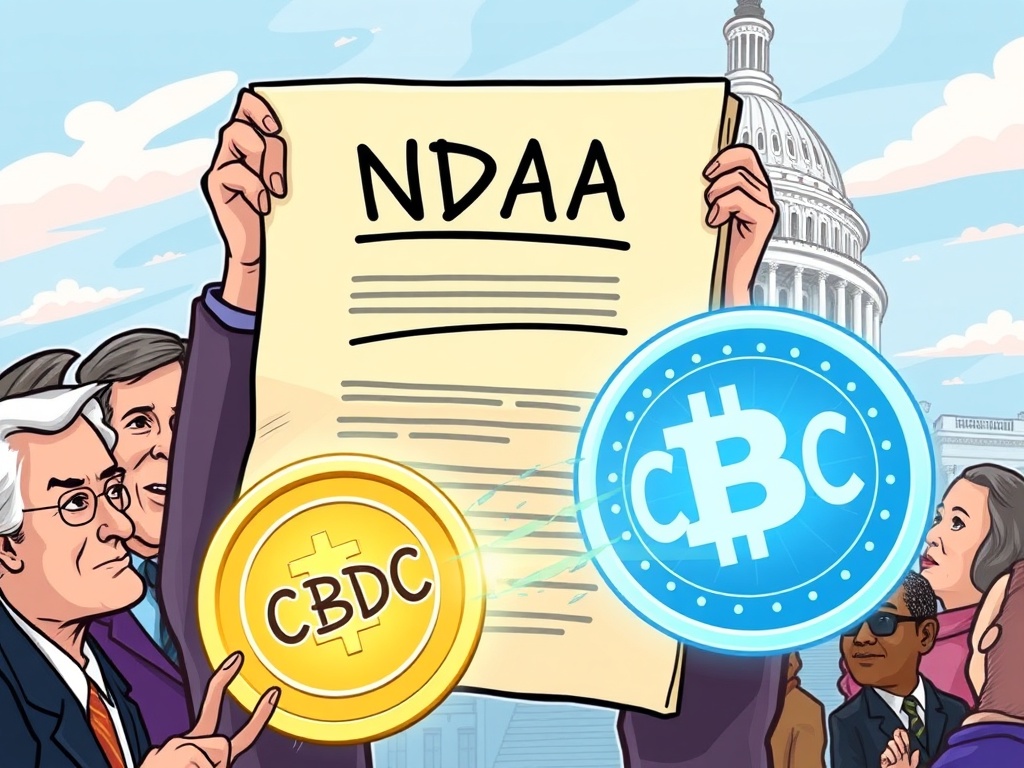
The U.S. House recently added a crucial provision to the National Defense Authorization Act (NDAA), a bill that historically passes without much debate. This amendment directly aims to prevent the Federal Reserve from developing or launching a US CBDC. According to reports from Cointelegraph, this strategic placement within a “must-pass” bill significantly boosts the measure’s chances of becoming law.

It’s a clear signal from a segment of Congress about their reservations regarding a government-backed digital dollar. This isn’t just about slowing down; it’s about outright preventing the Federal Reserve from engaging in any activities related to a central bank digital currency.

Why the Pushback Against a US CBDC?

This latest legislative action reflects growing concerns among some lawmakers about the implications of a central bank digital currency. The amendment goes further than just preventing a launch; it blocks the Fed from even testing, studying, developing, creating, or implementing a US CBDC.

Key concerns driving this legislative push include:

  • Privacy Concerns: Many fear a CBDC could lead to increased government surveillance over citizens’ financial transactions, eroding personal financial privacy.
  • Government Control: There are worries that a CBDC could give the government unprecedented control over individual spending, potentially allowing for programmatic restrictions.
  • Economic Impact: Critics also question the potential impact on commercial banks, the broader financial system, and the role of private innovation.

These points highlight the ideological battle shaping the future of digital finance in the U.S.

An Important Exception: Stablecoins and the Future of Digital Dollars

Interestingly, while blocking a government-issued US CBDC, the amendment includes a vital exception. It specifically permits U.S. dollar-pegged stablecoins, provided they are “open, permissionless, and private.” This distinction is crucial for understanding the nuanced approach Congress is taking.

Stablecoins are privately issued digital assets designed to maintain a stable value relative to a fiat currency, like the U.S. dollar. This exception suggests that while Congress is wary of a Fed-issued digital currency, they may be open to private sector innovation in digital assets, particularly those that uphold principles of openness and privacy. This stance aligns with a desire to foster innovation without perceived government overreach into individual financial lives.

What’s Next for the Anti-CBDC Movement?

This isn’t the first time the House has acted on this issue. Earlier in July, the Republican-led Anti-CBDC Surveillance State Act narrowly passed the House. However, its path in the Senate remains uncertain. The inclusion of this new provision in the NDAA offers a different, potentially more direct, route to legislate against a US CBDC.

The “must-pass” nature of the defense bill means the Senate will have to contend with this amendment. The debate over digital currency’s role in the U.S. financial system is clearly far from over, with significant implications for consumers, businesses, and the future of money itself. The legislative process is often complex, but this move undeniably elevates the discussion and brings the issue to the forefront of national policy.

Conclusion: A Landmark Stance on US CBDC Development

The U.S. House’s recent move to embed an anti-US CBDC measure within the National Defense Authorization Act marks a pivotal moment in the ongoing debate surrounding central bank digital currencies. By preventing the Federal Reserve from developing a digital dollar, while simultaneously making an allowance for private, permissionless, and private stablecoins, Congress is drawing a clear line.

This action underscores deep-seated concerns about privacy, government oversight, and the fundamental structure of the nation’s financial future. As this critical legislation moves forward, the eyes of the digital currency world will be watching closely to see how this crucial decision shapes the landscape of money in America.

Frequently Asked Questions (FAQs)

1. What is a Central Bank Digital Currency (CBDC)?

A CBDC is a digital form of a country’s fiat currency, issued and backed by its central bank. Unlike cryptocurrencies, it would be centralized and controlled by the government.

2. Why is the U.S. House against a US CBDC?

Many lawmakers express concerns over privacy, potential government surveillance, and the expansion of government control over individual financial transactions that a US CBDC might enable.

3. What is the National Defense Authorization Act (NDAA)?

The NDAA is a series of U.S. federal laws specifying the annual budget and expenditures of the U.S. Department of Defense. It’s considered a “must-pass” bill, making it a common vehicle for unrelated legislative amendments.

4. How do stablecoins differ from a US CBDC in this context?

While a US CBDC would be issued by the Federal Reserve, stablecoins are privately issued digital assets pegged to the U.S. dollar. The House’s amendment permits “open, permissionless, and private” stablecoins, distinguishing them from a government-controlled digital currency.

5. What happens next with this anti-CBDC measure?

Since the provision is part of the NDAA, it will move to the Senate for consideration. If the NDAA passes with this amendment intact, it will become law, effectively blocking the Federal Reserve’s ability to develop a US CBDC.

If you found this article insightful, consider sharing it with your network! Stay informed about critical developments shaping the future of digital finance by spreading the word.

To learn more about the latest crypto market trends, explore our article on key developments shaping digital currencies institutional adoption.

This post US CBDC Blocked: Crucial House Vote Halts Federal Digital Dollar Development first appeared on BitcoinWorld and is written by Editorial Team

Market Opportunity
Threshold Logo
Threshold Price(T)
$0.007575
$0.007575$0.007575
-1.73%
USD
Threshold (T) Live Price Chart
Disclaimer: The articles reposted on this site are sourced from public platforms and are provided for informational purposes only. They do not necessarily reflect the views of MEXC. All rights remain with the original authors. If you believe any content infringes on third-party rights, please contact service@support.mexc.com for removal. MEXC makes no guarantees regarding the accuracy, completeness, or timeliness of the content and is not responsible for any actions taken based on the information provided. The content does not constitute financial, legal, or other professional advice, nor should it be considered a recommendation or endorsement by MEXC.

You May Also Like

GCC and India to sign terms for start of free trade talks

GCC and India to sign terms for start of free trade talks

The Gulf Cooperation Council (GCC) and India reportedly will sign terms of reference on Thursday to resume talks aimed at finalising a free trade agreement.  Indian
Share
Agbi2026/02/05 13:45
PEPE Holders Looking For The Next 100x Crypto Set Their Sights On Layer Brett Presale

PEPE Holders Looking For The Next 100x Crypto Set Their Sights On Layer Brett Presale

The post PEPE Holders Looking For The Next 100x Crypto Set Their Sights On Layer Brett Presale appeared on BitcoinEthereumNews.com. Crypto News 18 September 2025 | 01:13 The Shiba Inu price prediction has regained investor attention this month as meme coin traders shift strategies ahead of Q4. While SHIB and PEPE continue to dominate headlines, many early holders are now hunting for the next breakout. Layer Brett (LBRETT), a new Ethereum Layer 2 meme coin, is quickly emerging as a top contender. Shiba Inu price prediction: Ecosystem grows but limited short-term upside Shiba Inu (SHIB) is currently priced at $0.00001307, showing slow but steady performance this September. Despite the relatively quiet price action, SHIB’s long-term vision is continuing to take shape. With the rollout of Shibarium, its Layer 2 network, Shiba Inu is transitioning from meme coin status to ecosystem coin. That said, analysts believe that short-term price action remains capped unless broader meme coin interest returns in full force. Resistance levels near $0.000015 remain tough to crack without major catalysts or a spike in retail enthusiasm. For now, Shiba Inu price predictions remain cautious, with most calling for gradual moves higher rather than a sudden breakout. Still, SHIB’s loyal community and expanding ecosystem keep it on the radar for long-term holders, especially those betting on its metaverse and DeFi ambitions to mature into stronger use cases by 2025. PEPE struggles to reclaim momentum after early hype PEPE exploded onto the meme coin scene in 2023 and gained massive traction with retail investors. However, the token’s parabolic rise was followed by a sharp correction. Currently priced around $0.00001087, PEPE still maintains a large following, but the lack of clear development or new utilities has left holders searching for alternatives with more potential. With many early PEPE investors now down from peak levels, attention has shifted to lower-cap meme coins that offer actual utility and early entry benefits. While PEPE may…
Share
BitcoinEthereumNews2025/09/18 07:02
Morning brief: Asian stocks slump as AI capex fears grow, silver plunges

Morning brief: Asian stocks slump as AI capex fears grow, silver plunges

Asian markets retreated on Thursday as investors rotated out of technology stocks amid mounting concerns over the escalating cost of artificial intelligence investment
Share
Coinstats2026/02/05 13:56