BitcoinWorld Coinbase Privacy Lawsuit: Crucial Proceedings Temporarily Halted by U.S. Court In a significant development for the cryptocurrency world, a U.S. District Court has decided to temporarily suspend a vital legal battle. The , which accused the popular crypto exchange of violating Illinois’ Biometric Information Privacy Act (BIPA), is now on hold. This pause raises compelling questions about user data, privacy, and the future of Know Your Customer (KYC) processes in the digital asset space. What’s Happening with the Coinbase Privacy Lawsuit? The U.S. District Court for the Northern District of Illinois Eastern Division recently issued an order to temporarily halt the lawsuit against Coinbase. This case centers on allegations that the exchange improperly collected and shared biometric data. According to a report by Cointelegraph, the court explained its decision by stating that a stay would: Simplify the issues at hand. Streamline the trial process. Reduce the burden of litigation on both the court and the parties involved. Not unduly prejudice or tactically disadvantage the plaintiffs. This decision means that while the lawsuit isn’t dismissed, its progress is paused for the time being. Understanding the Biometric Information Privacy Act (BIPA) To truly grasp the gravity of the , it’s essential to understand BIPA. The Illinois Biometric Information Privacy Act is a pioneering state law enacted in 2008. It is considered one of the strictest biometric privacy laws in the United States. Essentially, BIPA mandates that companies must: Obtain informed consent before collecting, storing, or sharing biometric data (like face scans, fingerprints, or voiceprints). Provide a publicly available retention schedule and guidelines for permanently destroying biometric data. Not profit from a person’s biometric data. This law gives individuals the right to sue companies that violate its provisions, leading to potentially substantial damages. Allegations Against Coinbase: Why the Lawsuit? The lawsuit against Coinbase was initially filed in May. It brought forth serious accusations concerning the exchange’s handling of user data. Specifically, the plaintiffs claimed that Coinbase engaged in the “wholesale collection” of faceprints. This collection allegedly occurred during its mandatory Know Your Customer (KYC) process. Moreover, the lawsuit asserted that Coinbase shared these sensitive biometric data points with third-party authentication companies. Crucially, these actions were allegedly carried out without obtaining the explicit consent of its users, a direct violation of BIPA’s core requirements. The outcome of this could set a significant precedent for how crypto platforms manage user identity verification. What Does This Suspension Mean for Crypto Users? The temporary halt in the doesn’t diminish the underlying concerns about digital privacy and data security. For Coinbase users, it means the legal battle regarding their biometric data is in a state of limbo. However, it also highlights the increasing scrutiny crypto exchanges face concerning their data handling practices. This case serves as a powerful reminder for all users to carefully review the privacy policies of platforms they use. It emphasizes the importance of understanding what data is collected, how it is used, and with whom it might be shared. The crypto industry, known for its focus on decentralization and privacy, must navigate these legal challenges carefully to maintain user trust. Looking Ahead: The Path Forward While the proceedings are suspended, the is far from over. The court’s decision for a stay suggests a desire to streamline complex legal arguments, perhaps awaiting clarity on related legal matters or allowing parties to explore settlement options. As the crypto landscape continues to evolve, so too will the legal frameworks governing it. The resolution of this case will undoubtedly influence how other crypto exchanges approach biometric data collection and privacy compliance moving forward. Summary: A Pause, Not an End, for Coinbase’s Privacy Battle The U.S. court’s decision to temporarily suspend the marks a pivotal moment in the ongoing discussion about digital privacy within the crypto sector. While the immediate legal pressure on Coinbase might be eased, the core issues of biometric data collection and user consent remain paramount. This case underscores the growing importance of robust privacy practices and transparency for all companies operating in the digital realm, especially those handling sensitive user information. Frequently Asked Questions (FAQs) 1. What is the Coinbase privacy lawsuit about? The lawsuit alleges that Coinbase violated Illinois’ Biometric Information Privacy Act (BIPA) by collecting users’ faceprints for its KYC process and sharing them with third-party companies without explicit consent. 2. Why did the U.S. court suspend the proceedings? The court suspended the proceedings to simplify issues, streamline the trial, reduce litigation burden, and avoid prejudicing or tactically disadvantaging the plaintiffs. 3. What is the Biometric Information Privacy Act (BIPA)? BIPA is an Illinois state law requiring companies to obtain informed consent before collecting, storing, or sharing biometric data, and to have clear data retention and destruction policies. 4. How does this suspension affect Coinbase users? For now, the legal battle regarding user biometric data is on hold. It highlights the importance for users to review privacy policies and understand how their data is handled by crypto platforms. 5. What happens next in this Coinbase privacy lawsuit case? The lawsuit is temporarily paused, but not dismissed. The court may lift the stay at a later date, or the parties might explore settlement options. The case’s eventual resolution will likely set precedents for the crypto industry’s privacy practices. If you found this article informative, please consider sharing it with your network on social media to keep others informed about these crucial developments in crypto privacy! To learn more about the latest crypto privacy trends, explore our article on key developments shaping digital rights and their legal implications. This post Coinbase Privacy Lawsuit: Crucial Proceedings Temporarily Halted by U.S. Court first appeared on BitcoinWorld and is written by Editorial TeamBitcoinWorld Coinbase Privacy Lawsuit: Crucial Proceedings Temporarily Halted by U.S. Court In a significant development for the cryptocurrency world, a U.S. District Court has decided to temporarily suspend a vital legal battle. The , which accused the popular crypto exchange of violating Illinois’ Biometric Information Privacy Act (BIPA), is now on hold. This pause raises compelling questions about user data, privacy, and the future of Know Your Customer (KYC) processes in the digital asset space. What’s Happening with the Coinbase Privacy Lawsuit? The U.S. District Court for the Northern District of Illinois Eastern Division recently issued an order to temporarily halt the lawsuit against Coinbase. This case centers on allegations that the exchange improperly collected and shared biometric data. According to a report by Cointelegraph, the court explained its decision by stating that a stay would: Simplify the issues at hand. Streamline the trial process. Reduce the burden of litigation on both the court and the parties involved. Not unduly prejudice or tactically disadvantage the plaintiffs. This decision means that while the lawsuit isn’t dismissed, its progress is paused for the time being. Understanding the Biometric Information Privacy Act (BIPA) To truly grasp the gravity of the , it’s essential to understand BIPA. The Illinois Biometric Information Privacy Act is a pioneering state law enacted in 2008. It is considered one of the strictest biometric privacy laws in the United States. Essentially, BIPA mandates that companies must: Obtain informed consent before collecting, storing, or sharing biometric data (like face scans, fingerprints, or voiceprints). Provide a publicly available retention schedule and guidelines for permanently destroying biometric data. Not profit from a person’s biometric data. This law gives individuals the right to sue companies that violate its provisions, leading to potentially substantial damages. Allegations Against Coinbase: Why the Lawsuit? The lawsuit against Coinbase was initially filed in May. It brought forth serious accusations concerning the exchange’s handling of user data. Specifically, the plaintiffs claimed that Coinbase engaged in the “wholesale collection” of faceprints. This collection allegedly occurred during its mandatory Know Your Customer (KYC) process. Moreover, the lawsuit asserted that Coinbase shared these sensitive biometric data points with third-party authentication companies. Crucially, these actions were allegedly carried out without obtaining the explicit consent of its users, a direct violation of BIPA’s core requirements. The outcome of this could set a significant precedent for how crypto platforms manage user identity verification. What Does This Suspension Mean for Crypto Users? The temporary halt in the doesn’t diminish the underlying concerns about digital privacy and data security. For Coinbase users, it means the legal battle regarding their biometric data is in a state of limbo. However, it also highlights the increasing scrutiny crypto exchanges face concerning their data handling practices. This case serves as a powerful reminder for all users to carefully review the privacy policies of platforms they use. It emphasizes the importance of understanding what data is collected, how it is used, and with whom it might be shared. The crypto industry, known for its focus on decentralization and privacy, must navigate these legal challenges carefully to maintain user trust. Looking Ahead: The Path Forward While the proceedings are suspended, the is far from over. The court’s decision for a stay suggests a desire to streamline complex legal arguments, perhaps awaiting clarity on related legal matters or allowing parties to explore settlement options. As the crypto landscape continues to evolve, so too will the legal frameworks governing it. The resolution of this case will undoubtedly influence how other crypto exchanges approach biometric data collection and privacy compliance moving forward. Summary: A Pause, Not an End, for Coinbase’s Privacy Battle The U.S. court’s decision to temporarily suspend the marks a pivotal moment in the ongoing discussion about digital privacy within the crypto sector. While the immediate legal pressure on Coinbase might be eased, the core issues of biometric data collection and user consent remain paramount. This case underscores the growing importance of robust privacy practices and transparency for all companies operating in the digital realm, especially those handling sensitive user information. Frequently Asked Questions (FAQs) 1. What is the Coinbase privacy lawsuit about? The lawsuit alleges that Coinbase violated Illinois’ Biometric Information Privacy Act (BIPA) by collecting users’ faceprints for its KYC process and sharing them with third-party companies without explicit consent. 2. Why did the U.S. court suspend the proceedings? The court suspended the proceedings to simplify issues, streamline the trial, reduce litigation burden, and avoid prejudicing or tactically disadvantaging the plaintiffs. 3. What is the Biometric Information Privacy Act (BIPA)? BIPA is an Illinois state law requiring companies to obtain informed consent before collecting, storing, or sharing biometric data, and to have clear data retention and destruction policies. 4. How does this suspension affect Coinbase users? For now, the legal battle regarding user biometric data is on hold. It highlights the importance for users to review privacy policies and understand how their data is handled by crypto platforms. 5. What happens next in this Coinbase privacy lawsuit case? The lawsuit is temporarily paused, but not dismissed. The court may lift the stay at a later date, or the parties might explore settlement options. The case’s eventual resolution will likely set precedents for the crypto industry’s privacy practices. If you found this article informative, please consider sharing it with your network on social media to keep others informed about these crucial developments in crypto privacy! To learn more about the latest crypto privacy trends, explore our article on key developments shaping digital rights and their legal implications. This post Coinbase Privacy Lawsuit: Crucial Proceedings Temporarily Halted by U.S. Court first appeared on BitcoinWorld and is written by Editorial Team

Coinbase Privacy Lawsuit: Crucial Proceedings Temporarily Halted by U.S. Court

5 min read

BitcoinWorld

Coinbase Privacy Lawsuit: Crucial Proceedings Temporarily Halted by U.S. Court

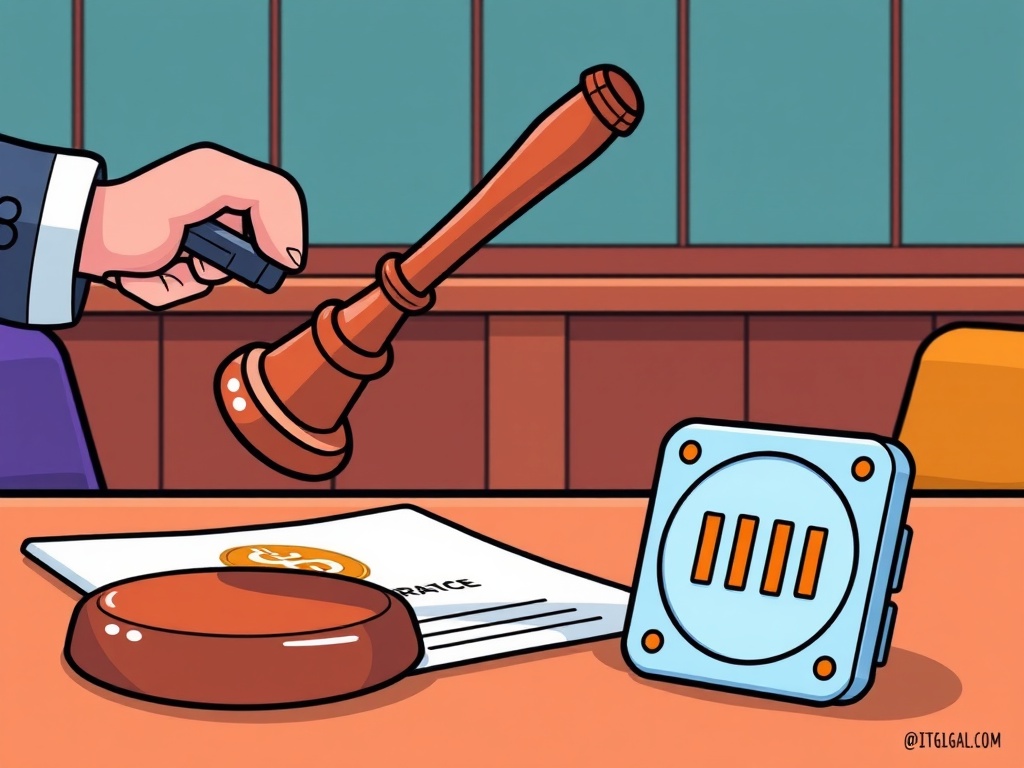
In a significant development for the cryptocurrency world, a U.S. District Court has decided to temporarily suspend a vital legal battle. The , which accused the popular crypto exchange of violating Illinois’ Biometric Information Privacy Act (BIPA), is now on hold. This pause raises compelling questions about user data, privacy, and the future of Know Your Customer (KYC) processes in the digital asset space.

What’s Happening with the Coinbase Privacy Lawsuit?

The U.S. District Court for the Northern District of Illinois Eastern Division recently issued an order to temporarily halt the lawsuit against Coinbase. This case centers on allegations that the exchange improperly collected and shared biometric data.

According to a report by Cointelegraph, the court explained its decision by stating that a stay would:

  • Simplify the issues at hand.
  • Streamline the trial process.
  • Reduce the burden of litigation on both the court and the parties involved.
  • Not unduly prejudice or tactically disadvantage the plaintiffs.

This decision means that while the lawsuit isn’t dismissed, its progress is paused for the time being.

Understanding the Biometric Information Privacy Act (BIPA)

To truly grasp the gravity of the , it’s essential to understand BIPA. The Illinois Biometric Information Privacy Act is a pioneering state law enacted in 2008. It is considered one of the strictest biometric privacy laws in the United States. Essentially, BIPA mandates that companies must:

  • Obtain informed consent before collecting, storing, or sharing biometric data (like face scans, fingerprints, or voiceprints).
  • Provide a publicly available retention schedule and guidelines for permanently destroying biometric data.
  • Not profit from a person’s biometric data.

This law gives individuals the right to sue companies that violate its provisions, leading to potentially substantial damages.

Allegations Against Coinbase: Why the Lawsuit?

The lawsuit against Coinbase was initially filed in May. It brought forth serious accusations concerning the exchange’s handling of user data. Specifically, the plaintiffs claimed that Coinbase engaged in the “wholesale collection” of faceprints. This collection allegedly occurred during its mandatory Know Your Customer (KYC) process.

Moreover, the lawsuit asserted that Coinbase shared these sensitive biometric data points with third-party authentication companies. Crucially, these actions were allegedly carried out without obtaining the explicit consent of its users, a direct violation of BIPA’s core requirements. The outcome of this could set a significant precedent for how crypto platforms manage user identity verification.

What Does This Suspension Mean for Crypto Users?

The temporary halt in the doesn’t diminish the underlying concerns about digital privacy and data security. For Coinbase users, it means the legal battle regarding their biometric data is in a state of limbo. However, it also highlights the increasing scrutiny crypto exchanges face concerning their data handling practices.

This case serves as a powerful reminder for all users to carefully review the privacy policies of platforms they use. It emphasizes the importance of understanding what data is collected, how it is used, and with whom it might be shared. The crypto industry, known for its focus on decentralization and privacy, must navigate these legal challenges carefully to maintain user trust.

Looking Ahead: The Path Forward

While the proceedings are suspended, the is far from over. The court’s decision for a stay suggests a desire to streamline complex legal arguments, perhaps awaiting clarity on related legal matters or allowing parties to explore settlement options. As the crypto landscape continues to evolve, so too will the legal frameworks governing it. The resolution of this case will undoubtedly influence how other crypto exchanges approach biometric data collection and privacy compliance moving forward.

Summary: A Pause, Not an End, for Coinbase’s Privacy Battle

The U.S. court’s decision to temporarily suspend the marks a pivotal moment in the ongoing discussion about digital privacy within the crypto sector. While the immediate legal pressure on Coinbase might be eased, the core issues of biometric data collection and user consent remain paramount. This case underscores the growing importance of robust privacy practices and transparency for all companies operating in the digital realm, especially those handling sensitive user information.

Frequently Asked Questions (FAQs)

1. What is the Coinbase privacy lawsuit about?
The lawsuit alleges that Coinbase violated Illinois’ Biometric Information Privacy Act (BIPA) by collecting users’ faceprints for its KYC process and sharing them with third-party companies without explicit consent.

2. Why did the U.S. court suspend the proceedings?
The court suspended the proceedings to simplify issues, streamline the trial, reduce litigation burden, and avoid prejudicing or tactically disadvantaging the plaintiffs.

3. What is the Biometric Information Privacy Act (BIPA)?
BIPA is an Illinois state law requiring companies to obtain informed consent before collecting, storing, or sharing biometric data, and to have clear data retention and destruction policies.

4. How does this suspension affect Coinbase users?
For now, the legal battle regarding user biometric data is on hold. It highlights the importance for users to review privacy policies and understand how their data is handled by crypto platforms.

5. What happens next in this Coinbase privacy lawsuit case?
The lawsuit is temporarily paused, but not dismissed. The court may lift the stay at a later date, or the parties might explore settlement options. The case’s eventual resolution will likely set precedents for the crypto industry’s privacy practices.

If you found this article informative, please consider sharing it with your network on social media to keep others informed about these crucial developments in crypto privacy!

To learn more about the latest crypto privacy trends, explore our article on key developments shaping digital rights and their legal implications.

This post Coinbase Privacy Lawsuit: Crucial Proceedings Temporarily Halted by U.S. Court first appeared on BitcoinWorld and is written by Editorial Team

Market Opportunity
Threshold Logo
Threshold Price(T)
$0.007669
$0.007669$0.007669
-0.51%
USD
Threshold (T) Live Price Chart
Disclaimer: The articles reposted on this site are sourced from public platforms and are provided for informational purposes only. They do not necessarily reflect the views of MEXC. All rights remain with the original authors. If you believe any content infringes on third-party rights, please contact service@support.mexc.com for removal. MEXC makes no guarantees regarding the accuracy, completeness, or timeliness of the content and is not responsible for any actions taken based on the information provided. The content does not constitute financial, legal, or other professional advice, nor should it be considered a recommendation or endorsement by MEXC.

You May Also Like

Securities Fraud Investigation Into Corcept Therapeutics Incorporated (CORT) Announced – Shareholders Who Lost Money Urged To Contact Glancy Prongay Wolke & Rotter LLP, a Leading Securities Fraud Law Firm

Securities Fraud Investigation Into Corcept Therapeutics Incorporated (CORT) Announced – Shareholders Who Lost Money Urged To Contact Glancy Prongay Wolke & Rotter LLP, a Leading Securities Fraud Law Firm

LOS ANGELES–(BUSINESS WIRE)–Glancy Prongay Wolke & Rotter LLP, a leading national shareholder rights law firm, today announced that it has commenced an investigation
Share
AI Journal2026/02/05 04:00
Microsoft Corp. $MSFT blue box area offers a buying opportunity

Microsoft Corp. $MSFT blue box area offers a buying opportunity

The post Microsoft Corp. $MSFT blue box area offers a buying opportunity appeared on BitcoinEthereumNews.com. In today’s article, we’ll examine the recent performance of Microsoft Corp. ($MSFT) through the lens of Elliott Wave Theory. We’ll review how the rally from the April 07, 2025 low unfolded as a 5-wave impulse followed by a 3-swing correction (ABC) and discuss our forecast for the next move. Let’s dive into the structure and expectations for this stock. Five wave impulse structure + ABC + WXY correction $MSFT 8H Elliott Wave chart 9.04.2025 In the 8-hour Elliott Wave count from Sep 04, 2025, we saw that $MSFT completed a 5-wave impulsive cycle at red III. As expected, this initial wave prompted a pullback. We anticipated this pullback to unfold in 3 swings and find buyers in the equal legs area between $497.02 and $471.06 This setup aligns with a typical Elliott Wave correction pattern (ABC), in which the market pauses briefly before resuming its primary trend. $MSFT 8H Elliott Wave chart 7.14.2025 The update, 10 days later, shows the stock finding support from the equal legs area as predicted allowing traders to get risk free. The stock is expected to bounce towards 525 – 532 before deciding if the bounce is a connector or the next leg higher. A break into new ATHs will confirm the latter and can see it trade higher towards 570 – 593 area. Until then, traders should get risk free and protect their capital in case of a WXY double correction. Conclusion In conclusion, our Elliott Wave analysis of Microsoft Corp. ($MSFT) suggested that it remains supported against April 07, 2025 lows and bounce from the blue box area. In the meantime, keep an eye out for any corrective pullbacks that may offer entry opportunities. By applying Elliott Wave Theory, traders can better anticipate the structure of upcoming moves and enhance risk management in volatile markets. Source: https://www.fxstreet.com/news/microsoft-corp-msft-blue-box-area-offers-a-buying-opportunity-202509171323
Share
BitcoinEthereumNews2025/09/18 03:50
Over 80% of 135 Ethereum L2s record below 1 user operation per second

Over 80% of 135 Ethereum L2s record below 1 user operation per second

The post Over 80% of 135 Ethereum L2s record below 1 user operation per second  appeared on BitcoinEthereumNews.com. Ethereum’s L2s are not doing too well. Data
Share
BitcoinEthereumNews2026/02/05 03:52