The post Cameroon, Ethiopia join hands for digital transformation appeared on BitcoinEthereumNews.com. Homepage > News > Business > Cameroon, Ethiopia join handsThe post Cameroon, Ethiopia join hands for digital transformation appeared on BitcoinEthereumNews.com. Homepage > News > Business > Cameroon, Ethiopia join hands

Cameroon, Ethiopia join hands for digital transformation

Cameroon’s state-owned telecommunications company, CAMTEL, has partnered with Ethiopia’s Ethio Telecom to drive digital transformation in the Central African country.

The two telecoms announced the new partnership in Cameroon’s capital, Yaoundé, as they presented their Master Service Agreement to Prime Minister Joseph Dion Ngute.

“We are here because CAMTEL and Ethio Telecom share a common vision, to digitally transform CAMTEL and also empower the Government of Cameroon through digital solutions that we have successfully deployed in Ethiopia,” Ethio Telecom Director General Frehiwot Tamru, told reporters.

The partnership aims to foster the growth of Cameroon’s digital economy, with projects that will include digitalizing the country’s public services, promoting digital financial solutions such as mobile money and expanding access to wireless networks. The two will also partner to upgrade networks to 5G and establish a sovereign government cloud.

The Ethiopian telco will work with CAMTEL to launch Blue Money, a new electronic payment service for Cameroonians.

Cameroon is not starting from scratch in digital payments and mobile money. According to a report by the regional central bank for Central African states (CEMAC), Cameroon accounted for 62% of all mobile money accounts in the six countries under the CEMAC bloc. It also represented over 75% of all the mobile money value transacted in the region.

But despite this high adoption, CAMTEL has remained away from the market, currently dominated by MTN and Orange. Blue Money will be its first attempt at penetrating the fast-growing market, which now accounts for most of the daily local and cross-border payments.

Replicating Ethiopia’s digitalization success

CAMTEL is seeking to tap into Ethio Telecom’s expertise in rolling out digitalization strategies, stated General Manager Judith Yah Sunday. By tapping a regional powerhouse, the Cameroonian telco is proving that “Africa does not need to import all its models as it can generate its own,” she added.

“Your institution demonstrates that a public operator can transform itself, scale digital adoption, sustain financial performance, drive national innovation, foster inclusion, and to do so while remaining fully aligned with the strategic vision of the state,” Sunday stated.

Ethio Telecom is Africa’s largest state-owned telco, with a turnover of over $2.8 billion this year from its 80 million users. It has played a key role in Ethiopia’s digitalization drive, including spearheading the rollout of the Fayda national digital ID. Last year, it pledged to issue at least one million digital IDs monthly.

Ethiopia remains one of Africa’s leaders in digitalization. This month, the Eastern African country adopted the Digital Ethiopia 2030 strategy, which will build on the government’s ongoing efforts to digitalize public services and boost the growth of the digital economy. The five-year roadmap is centered on the Fayda digital ID, which, at the start of the month, boasted 29 million users.

Africa outpaces global average in AI usage

Elsewhere, a new report has revealed that two in three Africans used artificial intelligence (AI) at work in the past 12 months, outpacing the global average.

The report by PricewaterhouseCoopers (PwC) revealed that 64% of African workers employed AI in 2025; the global average is 54%. However, only 17% reported using AI daily, while the weekly average of 18% had only improved slightly from a year earlier.

AI applications on the continent are still in their early stages and are limited to analytics and basic automation. Only a fraction of workers reported using AI agents extensively for advanced automation or scheduling.

Despite mounting global anxiety over AI replacing the human workforce and causing mass layoffs, African workers say the technology has boosted their income and job security. At least three in four workers also say AI has increased their creativity, productivity and the quality of their time.

Source: PwC.

“While most workers feel confident about job security, 30% of workers believe their current skills will stay relevant, as GenAI is projected to impact nearly half of roles across all levels in Africa,” PwC noted.

In order for artificial intelligence (AI) to work right within the law and thrive in the face of growing challenges, it needs to integrate an enterprise blockchain system that ensures data input quality and ownership—allowing it to keep data safe while also guaranteeing the immutability of data. Check out CoinGeek’s coverage on this emerging tech to learn more why Enterprise blockchain will be the backbone of AI.

Watch: Boosting financial inclusion in Africa with BSV blockchain

frameborder=”0″ allow=”accelerometer; autoplay; clipboard-write; encrypted-media; gyroscope; picture-in-picture; web-share” referrerpolicy=”strict-origin-when-cross-origin” allowfullscreen>

Source: https://coingeek.com/cameroon-ethiopia-join-hands-for-digital-transformation/

Príležitosť na trhu
Common Protocol Logo
Common Protocol kurz (COMMON)
$0.003361
$0.003361$0.003361
-4.70%
USD
Common Protocol (COMMON) Živý cenový graf
Vyhlásenie: Články uverejnené na tejto stránke pochádzajú z verejných platforiem a slúžia len na informačné účely. Nemusia nevyhnutne vyjadrovať názory spoločnosti MEXC. Všetky práva zostávajú pôvodným autorom. Ak sa domnievate, že akýkoľvek obsah porušuje práva tretích strán, kontaktujte service@support.mexc.com a požiadajte o jeho odstránenie. MEXC neposkytuje žiadne záruky týkajúce sa presnosti, úplnosti alebo aktuálnosti obsahu a nezodpovedá za žiadne kroky vykonané na základe poskytnutých informácií. Obsah nepredstavuje finančné, právne ani iné odborné poradenstvo a nemá sa považovať za odporúčanie alebo schválenie zo strany MEXC.

Môže sa vám tiež páčiť

Bitcoin ETF Investors React to Fed’s Decision

Bitcoin ETF Investors React to Fed’s Decision

The post Bitcoin ETF Investors React to Fed’s Decision appeared on BitcoinEthereumNews.com. In a surprise move, spot Bitcoin ETFs experienced their first significant daily outflows in over a week, following the Federal Reserve’s adjusted policy outlook. This shift reflects the market’s readiness to respond to any hint of change on the regulatory landscape, as well as its sensitivity to central bank cues. Continue Reading:Bitcoin ETF Investors React to Fed’s Decision Source: https://en.bitcoinhaber.net/bitcoin-etf-investors-react-to-feds-decision
Podiel
BitcoinEthereumNews2025/09/18 18:51
US Senators Introduce SAFE Crypto Act to Target Rising Crypto Scams

US Senators Introduce SAFE Crypto Act to Target Rising Crypto Scams

The post US Senators Introduce SAFE Crypto Act to Target Rising Crypto Scams appeared first on Coinpedia Fintech News Crypto scams are getting faster, smarter and
Podiel
CoinPedia2025/12/17 18:33
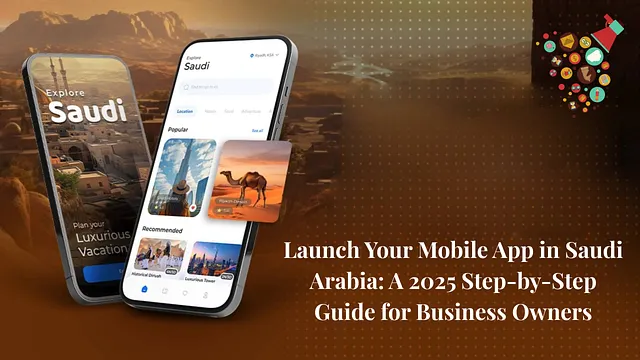
From Idea to App Store: The Complete Guide to Mobile App Development in Saudi Arabia

From Idea to App Store: The Complete Guide to Mobile App Development in Saudi Arabia

Saudi Arabia is at the forefront of digital transformation. With Vision 2030 driving innovation and a rapidly growing population of tech-savvy users, mobile apps have become a core driver of business growth in the Kingdom. From e-commerce and fintech to healthcare, logistics, and on-demand services, Saudi businesses are embracing mobile apps to connect with customers and scale faster. But how do you take a mobile app idea and turn it into a successful launch on the App Store or Google Play? This guide breaks down the complete mobile app development process in Saudi Arabia — step by step. Step 1: Validate Your App Idea for the Saudi Market Before you start building, ask: What problem does my app solve for Saudi users? Is there a cultural or market gap my app can fill? How do local competitors approach the same challenge? For example, apps related to digital payments, e-learning, delivery services, and healthcare are in high demand across Saudi Arabia. Conducting market research and aligning your app idea with local user behavior is critical. Step 2: Plan Features with Local Needs in Mind Your app should start with an MVP (Minimum Viable Product) — a core version that solves the main problem. Later, you can scale with advanced features. In Saudi Arabia, consider adding: Arabic language support (essential for user adoption) Integration with local payment gateways like STC Pay, Mada, or Apple Pay Regulatory compliance (especially for fintech and health apps) Localization for user preferences (Hijri calendar, cultural UI elements) Step 3: Select the Right Development Approach You can choose: Native Apps (Swift for iOS, Kotlin for Android) — Great for scalability and performance. Cross-Platform Apps (Flutter, React Native) — Cost-effective for startups targeting both iOS and Android simultaneously. Hybrid Apps — Suitable for simpler apps with limited features. For Saudi startups and enterprises, cross-platform development is often preferred to reach a wider audience quickly and efficiently. Step 4: Design With a Local Touch The design must balance global usability standards with local cultural relevance. UI (User Interface): Clean, modern visuals that align with Saudi branding. UX (User Experience): Simple navigation, clear Arabic text support, and intuitive flows. Wireframing & Prototyping: Test early with Saudi users to ensure adoption. A user-friendly design is one of the top reasons apps succeed in the Kingdom’s competitive market. Step 5: Develop Your Mobile App Once the design is ready, the coding begins. Saudi app development companies often follow Agile methodology, ensuring flexibility and faster delivery. Front-End Development: Interface and user interactions. Back-End Development: Databases, servers, and APIs. Integration: Secure connections between front-end and back-end. Strong collaboration between developers, designers, and business analysts ensures your app aligns with Saudi market needs. Step 6: Testing Across Devices and Networks Saudi users rely on different devices and network speeds. That’s why rigorous testing is critical: Functionality Testing: Features work as expected. Performance Testing: The app runs smoothly on both 4G and 5G networks. Localization Testing: Arabic text displays correctly, without alignment issues. Security Testing: Data protection compliance with Saudi cybersecurity standards. Step 7: App Store & Google Play Launch in Saudi Arabia To publish your app: Apple App Store (iOS): Requires an Apple Developer account and strict guideline compliance. Google Play Store (Android): Faster approval but still requires detailed app info. You’ll also need metadata in both English and Arabic — titles, descriptions, and screenshots — to maximize visibility among Saudi users. Step 8: Market Your App in Saudi Arabia Launching an app is only the beginning. You need a marketing strategy tailored to the Kingdom: App Store Optimization (ASO): Use Arabic and English keywords. Social Media Campaigns: Leverage platforms like Snapchat, Twitter (X), and Instagram, which are highly popular in Saudi Arabia. Influencer Marketing: Collaborate with Saudi influencers for early traction. Paid Ads: Google Ads and Saudi-focused Facebook/Instagram ads. Partnerships: Collaborate with local businesses to reach a wider audience. Step 9: Gather Feedback and Optimize Once your app is live, monitor: User reviews on app stores Analytics on engagement, retention, and churn rates Suggestions from Saudi users for culturally relevant features Continuous updates and improvements are vital to stay competitive. Step 10: Scale With Advanced Features Once your MVP gains traction, you can expand with advanced features such as: AI and machine learning for personalization Blockchain-based payments for fintech apps AR/VR features for retail and gaming apps IoT integration for smart home and mobility solutions Saudi Arabia’s digital ecosystem is growing rapidly — apps that adapt quickly will thrive. Conclusion Mobile app development in Saudi Arabia is not just about building an app — it’s about aligning with Vision 2030, cultural needs, and user expectations. By following a clear process — from idea validation to launch and beyond — you can transform your concept into a profitable digital product. Whether you’re a startup or an enterprise in Saudi Arabia, the opportunity is massive. With the right strategy, you can move from idea to App Store and create an app that truly resonates with Saudi users. From Idea to App Store: The Complete Guide to Mobile App Development in Saudi Arabia was originally published in Coinmonks on Medium, where people are continuing the conversation by highlighting and responding to this story
Podiel
Medium2025/09/18 14:46