Dogecoin(DOGE) Spot vs Futures Trading: Which Is Better for Different Risk Profiles?
TL;DR (Key Takeaways)
- Spot trading DOGE means buying and owning the actual token, making it safer and more suitable for beginners or conservative traders.
- Futures trading allows you to speculate on DOGE’s price using leverage—offering higher profit potential but also higher risk, including liquidation.
- Spot trading fits long-term, lower-risk strategies; futures trading fits short-term, higher-risk strategies.
- Futures introduce additional factors such as funding rates, margin requirements, and leverage mechanics.
- Understanding dogecoin trading risks is essential before using either market, especially futures.
1.Introduction
2.Understanding Dogecoin Spot Trading
3.Understanding Dogecoin Futures Trading
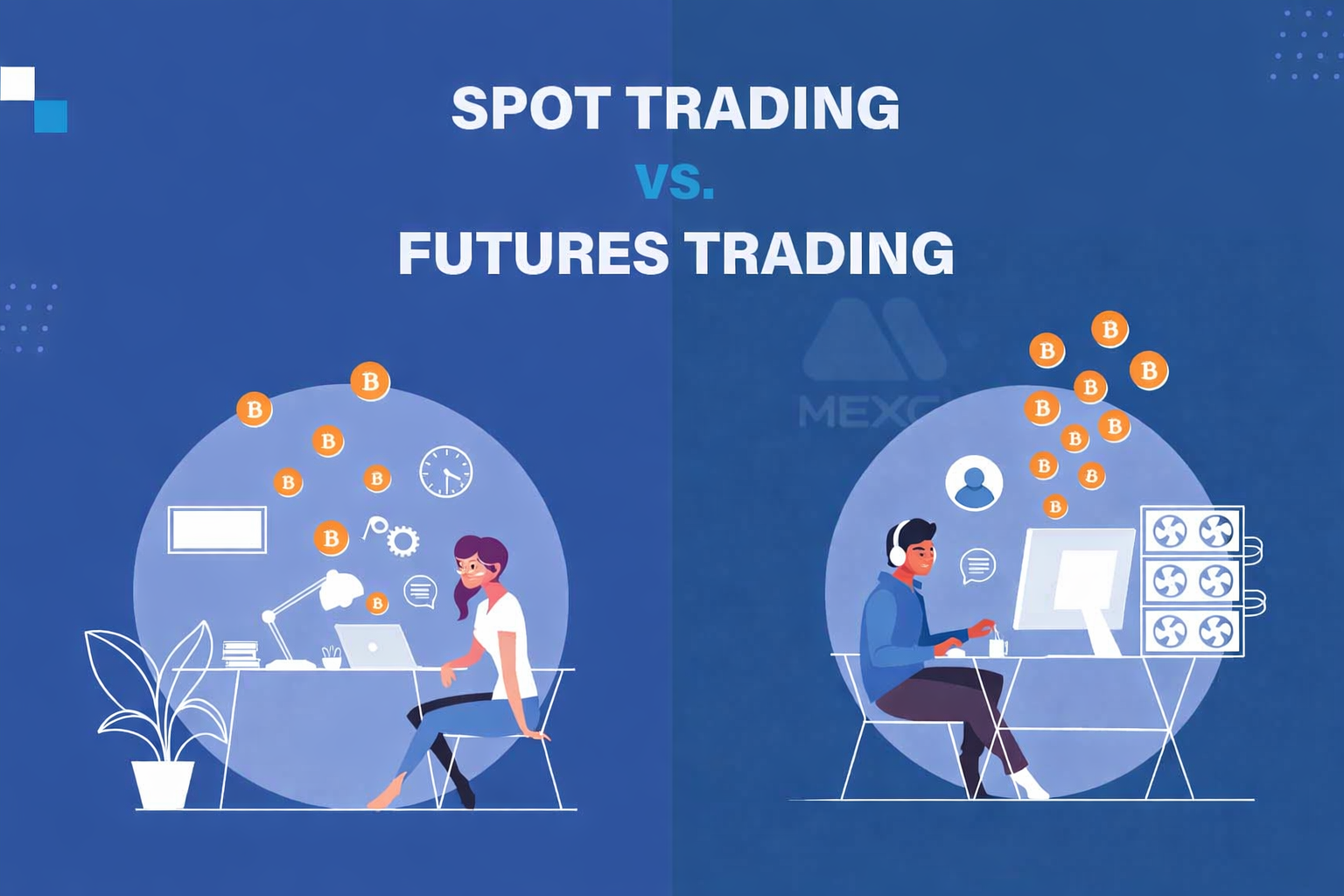
4.Key Differences Between Spot and Futures Trading
Category | Spot Trading | Futures Trading |
Ownership | You own DOGE | You trade a price contract |
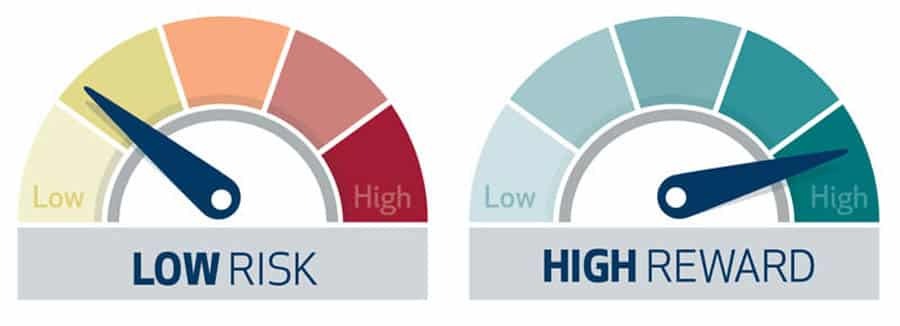
Risk Level | Lower | Higher |
Leverage | None | Available (multiplying risk and reward) |
Profit Potential | Price must rise | Profit from rising or falling prices |
Liquidation Risk | None | Yes |
Duration | Flexible, long-term friendly | Active, short-term strategies |
Complexity | Easy to understand | More technical |
4.1Spot Trading: A Safe and Steady Approach
4.2Futures Trading: High Potential With High Responsibility
5.Which One Fits Your Risk Profile?
5.1Conservative Traders: Spot Trading
5.2Moderate Traders: A Combination of Both
5.3Aggressive Traders: Futures Trading
6.Risk Management for Spot and Futures Trading

FAQ: Dogecoin Spot vs Futures
Conclusion
Learn More
- How to Buy Dogecoin (DOGE) on MEXC: A Complete Guide for Beginners
- Dogecoin Wallet Guide: How to Store DOGE Safely
- Why Dogecoin Feels Easy to Buy — and Why That Can Be Misleading
Popular Articles
Dogecoin(DOGE) Trading Fees Explained: Spot vs Futures Costs on Crypto Exchanges
Dogecoin (DOGE) has become a household name in the world of cryptocurrencies. Originally created as a fun internet meme, it has since grown into a prominent asset within the cryptocurrency market. How
Why Is Dogecoin(DOGE) So Volatile? Price Swings, Liquidity, and Market Narratives
Dogecoin (DOGE), a cryptocurrency initially created as a joke, has grown into one of the most prominent and frequently traded digital assets in the cryptocurrency world. Its origins as a meme coin hav

What Are Dogecoin(DOGE) Futures? How DOGE Leverage Trading Works and Its Risks?
Unlikespot trading, where you directly purchase Dogecoin and hold it in your wallet, futures trading involves contracts that speculate on Dogecoin’s price at a future date. These contracts can be leve
How to Trade Dogecoin (DOGE): Spot and Futures Trading Explained Step by Step on MEXC
Dogecoin (DOGE), which began as a meme-inspired cryptocurrency, has transformed into one of the most actively traded assets in the digital currency world. Known for its fast transaction speeds, low fe
Hot Crypto Updates
What Is Futu Holdings Ltd. (FUTU)?
If you’re researching Futu Holdings Ltd. stock (FUTU), you’re researching a tech-driven brokerage and wealth management platform that serves investors through digital products, most notably moomoo and
What Is Meta Platforms (META)?
If you’re researching Meta Platforms stock (META), you’re looking at one of the most important US stocks in social media and digital advertising. Meta owns platforms used by billions of people globall

MEXC vs Binance 2026: Comprehensive Comparison Guide for Crypto Traders
Meta Description MEXC vs Binance 2026 in-depth comparison: Analyzing trading fees, coin listings, security, and user experience to help you choose the best cryptocurrency exchange for your trading nee
How to Purchase Dogecoin in Japan: A Complete Guide
Purchasing Dogecoin (DOGE) in Japan is straightforward when you use a regulated, user-friendly platform like MEXC and follow proper identity and funding procedures; this guide explains each step—from
Trending News

Uniswap’s $591mln burn sparks a deflation loop – UNI at $7.2 ONLY IF…
The post Uniswap’s $591mln burn sparks a deflation loop – UNI at $7.2 ONLY IF… appeared on BitcoinEthereumNews.com. Deflationary measures have become increasingly

Tokyo’s Metaplanet Launches Miami Subsidiary to Amplify Bitcoin Income
Metaplanet Inc., the Japanese public company known for its bitcoin treasury, is launching a Miami subsidiary to run a dedicated derivatives and income strategy aimed at turning holdings into steady, U
Robinhood CEO Tenev Drops Unexpected Bitcoin (BTC) Teaser
The post Robinhood CEO Tenev Drops Unexpected Bitcoin (BTC) Teaser appeared on BitcoinEthereumNews.com. On New Year’s Eve, the major U.S. brokerage firm Robinhood
Uniswap Burns $596M in UNI After Fee Switch Governance Vote
The post Uniswap Burns $596M in UNI After Fee Switch Governance Vote appeared on BitcoinEthereumNews.com. Uniswap has executed a major token burn following the
Related Articles
How to Trade Dogecoin (DOGE): Spot and Futures Trading Explained Step by Step on MEXC
Dogecoin (DOGE), which began as a meme-inspired cryptocurrency, has transformed into one of the most actively traded assets in the digital currency world. Known for its fast transaction speeds, low fe
What People Often Misunderstand About Dogecoin (DOGE)
Dogecoin is easy to dismiss because it looks like internet culture turned into money. But “meme origin” doesn’t automatically mean “fake asset,” and “serious technology” doesn’t automatically mean “go

What is Perceptron Network($PERC)? A Complete Guide to AI Incentives and Decentralized Data Pipelines
Key TakeawaysPerceptron Network is positioned as an agent-managed incentive framework, where AI agents can mint and distribute PERCs (composable mini-NFTs) to reward useful community behavior. The pro
Dogecoin ETF: What We Know So Far and Whether It Could Happen
Key Takeaways:REX-Osprey Dogecoin ETF (DOJE) launched in September 2025 as the first U.S. product offering DOGE exposure via a mix of holdings and derivatives.Grayscale Dogecoin Trust ETF (GDOG) debut