Dogecoin (DOGE), a cryptocurrency initially created as a joke, has grown into one of the most prominent and frequently traded digital assets in the cryptocurrency world. Its origins as a meme coinDogecoin (DOGE), a cryptocurrency initially created as a joke, has grown into one of the most prominent and frequently traded digital assets in the cryptocurrency world. Its origins as a meme coin
Learn/Cryptocurrency Knowledge/Hot Concepts/Why Is Doge... Narratives

Why Is Dogecoin(DOGE) So Volatile? Price Swings, Liquidity, and Market Narratives

Beginner
Dec 28, 2026MEXC
0m
WHY
WHY$0.000000014--%
DOGE
DOGE$0.12339+0.39%
Memecoin
MEME$0.0010015-0.42%
ConstitutionDAO
PEOPLE$0.009538+1.92%
Moonveil
MORE$0.002591+0.19%
Dogecoin (DOGE), a cryptocurrency initially created as a joke, has grown into one of the most prominent and frequently traded digital assets in the cryptocurrency world. Its origins as a meme coin have only added to its charm and broad appeal, making it a favorite for traders, investors, and meme enthusiasts alike. While many cryptocurrencies are known for their volatility, Dogecoin’s volatility stands out because of its unpredictable price movements and dramatic swings in value.

Since its inception, Dogecoin has been both a source of fascination and frustration for investors, who often find themselves questioning the reasons behind its erratic price behavior. The meme coin, often dubbed as the "people's cryptocurrency," has earned a reputation for its extreme fluctuations, with its price regularly shooting up or plummeting within hours. But what exactly makes Dogecoin so volatile? What are the underlying factors that lead to its price swings, and why is it more prone to dramatic liquidity shifts compared to other major cryptocurrencies?

This article will dive into the key reasons behind Dogecoin's volatility. We’ll explore the factors that contribute to its price swings, how liquidity plays a significant role in these fluctuations, and the market narratives that influence Dogecoin’s price. By the end of this article, you’ll understand the complex interplay of these factors and why Dogecoin remains one of the most volatile and unpredictable assets in the cryptocurrency market.

TL;DR (Key Takeaways)

  • Dogecoin’s volatility is primarily driven by factors like speculative market behavior, social media influence, and its meme-inspired nature.
  • Liquidity issues exacerbate price swings, making Dogecoin prone to large price movements from relatively small trades.
  • Market narratives, especially those propelled by influential figures like Elon Musk, significantly impact Dogecoin’s price.
  • Unlike established cryptocurrencies like Bitcoin or Ethereum, Dogecoin’s low supply cap and lack of strong utility make it more susceptible to volatility.
  • Understanding price swings and liquidity is crucial for managing the risks associated with Dogecoin trading.

1.Introduction

The cryptocurrency market is full of complex assets, each with its own characteristics, volatility, and potential for growth. Among these, Dogecoin stands out - not just for its humble origins as a parody coin but for its exceptional volatility. What started as a fun meme coin has turned into a real asset with real traders, and its price is often subject to sudden surges and sharp declines.

While most cryptocurrencies are known for their price volatility, Dogecoin is often more volatile than the rest. Despite being based on a fun and friendly image, it has earned its place among the top traded coins, and its extreme price swings make it a high-risk, high-reward asset. In fact, Dogecoin volatility has become a topic of fascination and speculation within the cryptocurrency community.

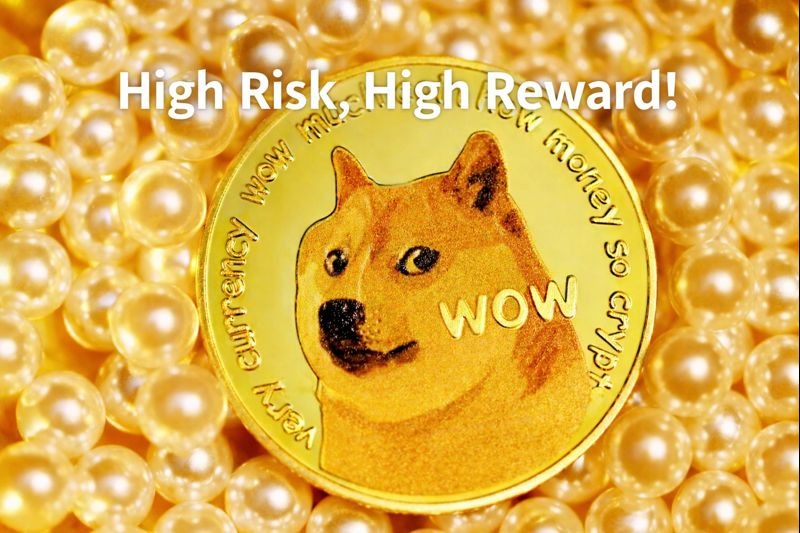
Dogecoin is a high risk high reward asset!

The volatility in Dogecoin’s price can be largely attributed to factors such as its market sentiment, liquidity, and external influences like social media trends. Unlike Bitcoin or Ethereum, which have relatively more stable use cases and higher market capitalizations, Dogecoin is driven by community sentiment and market speculation. These aspects, while appealing to short-term traders, make it prone to rapid and significant price fluctuations.

We will explore why Dogecoin is so volatile, discuss the factors that contribute to price swings, the role of liquidity, and how market narratives shape the value of this meme coin. By understanding these key factors, you'll be better equipped to manage the inherent risks and potential rewards associated with Dogecoin volatility.

2.What Drives Dogecoin’s Volatility?


Dogecoin volatility doesn’t occur in a vacuum. Its dramatic price swings can be traced back to a variety of interconnected factors that influence its market behavior. These factors include speculation, market sentiment, social media influence, and liquidity. Let’s break them down to understand why Dogecoin behaves the way it does.

2.1Speculation and Market Sentiment


The cryptocurrency market, as a whole, is highly speculative. Dogecoin volatility is driven by market speculation, which can have a significant impact on the price of the coin. Unlike traditional assets like stocks, which are driven by company performance, fundamentals, and economic indicators, cryptocurrencies—especially Dogecoin—are primarily driven by sentiment, rumors, and speculation.

Market sentiment is emotional and reactive, and traders often act based on news, social media trends, and viral events rather than fundamental analysis. Dogecoin’s price is heavily influenced by rumors, memes, and public perceptions. Because Dogecoin was created as a joke, it has built a unique market narrative, heavily relying on internet culture and the influence of celebrities and social media.

For example, Elon Musk, the CEO of Tesla, has frequently tweeted about Dogecoin, often causing the coin’s price to surge or drop dramatically. The power of celebrity influence on Dogecoin’s price cannot be overstated. When Musk tweets positively about Dogecoin, the price often rises as retail traders jump into the market. Conversely, when Musk’s statements are neutral or critical, Dogecoin’s price tends to fall quickly.

Dogecoin dipped hugely as a result of Musk’s appearance on SNL.

The influence of social media also cannot be underestimated. Platforms like Reddit, Twitter, and TikTok have become key drivers of Dogecoin’s market movements. Communities like r/dogecoin and other meme-related forums can push price movements significantly. When Dogecoin becomes a trending topic, buying pressure surges, contributing to rapid price increases.

2.2Liquidity and Market Depth

Liquidity plays a crucial role in Dogecoin’s volatility. Liquidity refers to how easily an asset can be bought or sold in the market without causing significant price movements. A highly liquid asset, like Bitcoin or Ethereum, can absorb large buy and sell orders without causing drastic fluctuations in price. However, Dogecoin, despite its popularity, is still considered a relatively low liquidity coin compared to the more established cryptocurrencies.

The limited market depth of Dogecoin means that even moderate trading volume can lead to major price swings. For example, when a large trader or a group of traders (known as whales) makes a substantial buy or sell order, it can have a disproportionate impact on Dogecoin’s price. Market orders in a thin order book cause prices to jump or plummet in response to those trades, often leading to sudden and unpredictable price changes.

The lack of institutional involvement in Dogecoin trading also adds to its price volatility. Unlike Bitcoin, which is traded on numerous institutional platforms and has the backing of large investors, Dogecoin remains more of a retail-driven asset. Whales and retail traders dominate its market, which increases the risk of price manipulation and sudden market fluctuations.

2.3Dogecoin's Meme Culture and Market Narratives
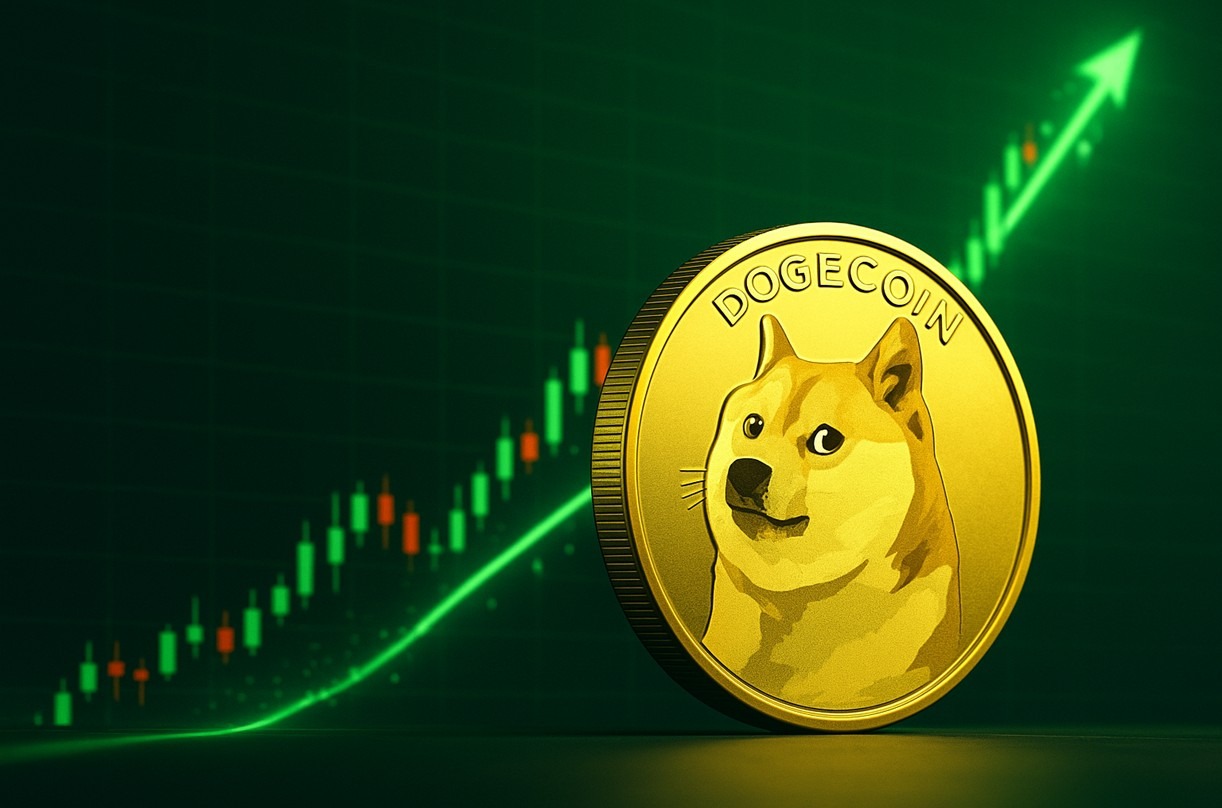

The meme culture surrounding Dogecoin is one of the most unique factors contributing to its volatility. Initially, Dogecoin was created as a fun and irreverent cryptocurrency, with its mascot, the Shiba Inu dog from the "Doge" meme. This lighthearted origin made it more appealing to meme enthusiasts and internet users who enjoyed the irony of trading a cryptocurrency that had no serious utility or purpose.

However, this very meme culture has both helped and hindered Dogecoin’s price stability. On one hand, Dogecoin’s community is extremely loyal and active, which creates a supportive environment for the asset. On the other hand, the reliance on memes and viral trends means that Dogecoin’s value is highly susceptible to market narratives that can change rapidly.

For instance, during times of positive media coverage or viral trends (e.g., Elon Musk’s tweets or Dogecoin-related memes), the price of Dogecoin can surge dramatically. Conversely, when the meme culture subsides, or when negative narratives emerge, the price often declines sharply. Dogecoin’s price is tied less to fundamentals and more to the collective energy of the online communities driving the hype and speculation.

2.4 Dogecoin’s Inflationary Supply Model and Low Supply Cap


Another factor contributing to Dogecoin’s volatility is its inflationary supply model. Unlike Bitcoin, which has a limited supply cap of 21 million coins, Dogecoin has no such restriction. New coins are continuously mined and added to the supply, which leads to constant inflation.


While this inflationary model was designed to keep transaction fees low and promote microtransactions, it also means that the value of Dogecoin is more prone to dilution over time. The more coins that are introduced into circulation, the greater the chance of price depreciation in the long run. This inflationary pressure contributes to volatility because new coins are regularly entering the market, potentially creating imbalances between supply and demand.

Additionally, Dogecoin’s relatively low supply cap makes it more susceptible to price swings. The lack of a fixed cap combined with market speculation can lead to large fluctuations when demand increases or decreases unexpectedly.

FAQ: Why Is Dogecoin So Volatile?

1.Why is Dogecoin more volatile than Bitcoin?

Dogecoin has a smaller market cap, lower liquidity, and a reliance on social media trends, all of which make it more susceptible to price swings than Bitcoin. Additionally, Dogecoin's inflationary supply model and lack of fundamental use cases contribute to its volatility.

2.How does social media affect Dogecoin’s price?

Social media plays a significant role in driving Dogecoin’s price. Memes, viral posts, and high-profile endorsements (especially from Elon Musk) can cause sudden surges in demand, leading to price increases. Conversely, negative social media sentiment can lead to sharp declines.

3.How does liquidity affect Dogecoin’s volatility?

Liquidity refers to the ability to buy or sell an asset without causing large price changes. Dogecoin’s relatively low liquidity means that even moderate-sized trades can lead to significant price swings, especially in a market with a high proportion of retail traders and whales.

4.Can Dogecoin’s price stabilize over time?

While stabilization is possible, Dogecoin’s meme-driven culture, inflationary supply, and heavy dependence on social media make it likely to continue experiencing volatility in the near future.

5.What can traders do to manage Dogecoin’s volatility?

Traders can use risk management strategies such as stop-loss orders, limit orders, and position sizing to minimize the impact of volatility. It’s also essential to stay informed about market sentiment and trends that could influence Dogecoin's price.

Conclusion


Dogecoin’s volatility is driven by a combination of factors that make it distinct from other more stable cryptocurrencies like Bitcoin or Ethereum. The reliance on speculation, social media influence, and meme culture contributes to rapid and unpredictable price swings. The market is heavily influenced by market sentiment, which can cause drastic price movements based on viral trends, social media posts, or high-profile endorsements.


Dogecoin’s liquidity issues further exacerbate its volatility. A market with low liquidity and a high concentration of whales makes it more susceptible to large price swings. Additionally, Dogecoin’s inflationary model and low supply cap contribute to its price instability, as new coins are regularly introduced into circulation, adding inflationary pressure.

For traders, understanding Dogecoin’s volatility is essential when considering how to engage with the coin. Those who wish to trade Dogecoin should be prepared for the risks of high volatility and should always manage their risk carefully. While Dogecoin offers high-reward opportunities, its reliance on speculative factors means that price swings are likely to remain a consistent characteristic of the asset.

Learn More

To deepen your understanding of Dogecoin and its market dynamics, check out these related articles:
Sign Up on MEXC
Sign Up & Receive Up to 10,000 USDT Bonus